Short answer
Yes, you can have a mini-split you bought yourself installed, as long as the equipment is matched, sized for the room and complete. In Washington, anyone opening the refrigerant circuit needs EPA Section 608 certification, the new circuit needs an electrical permit, and most jurisdictions require a mechanical permit. Equipment defects stay with the seller.
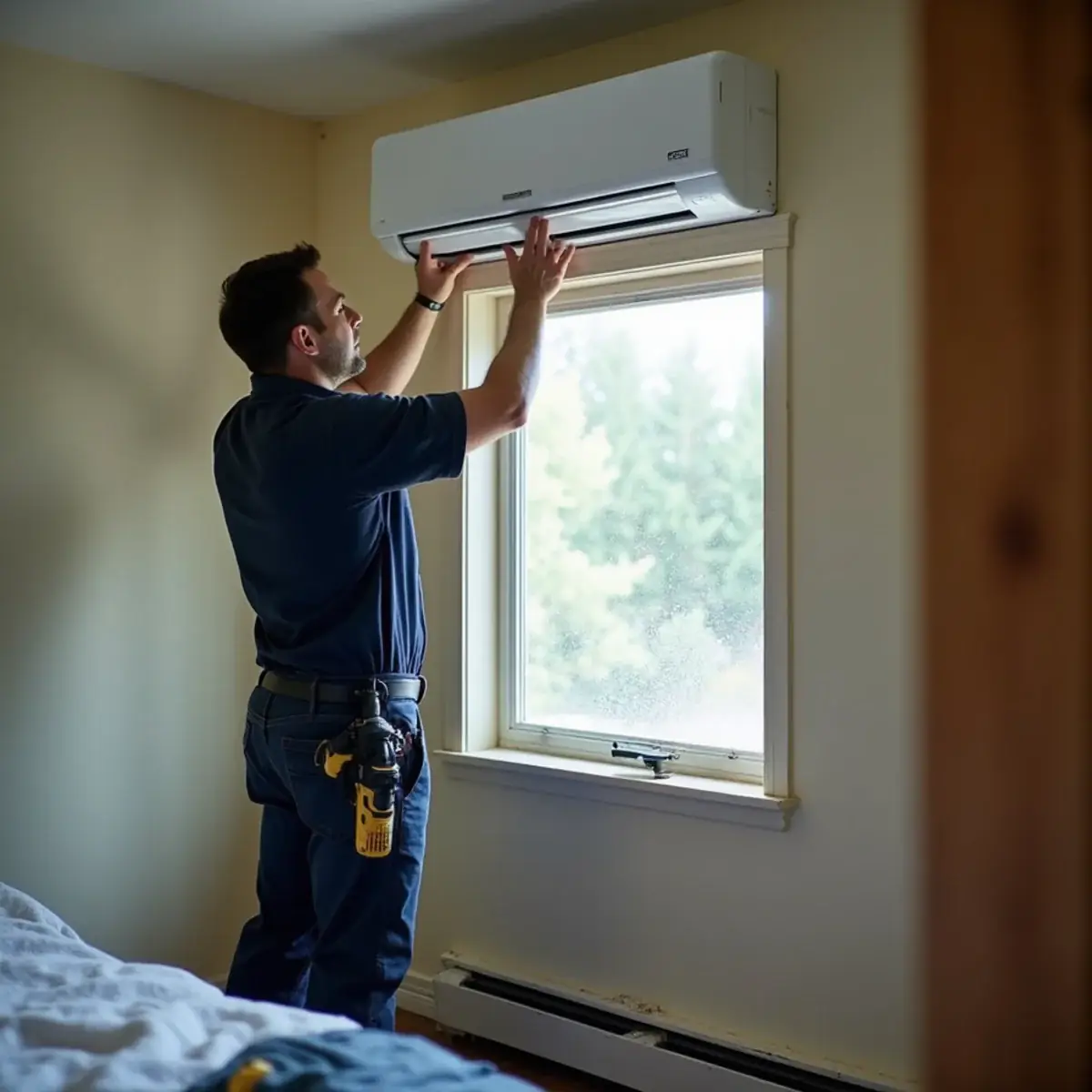
More homeowners are buying ductless equipment online and looking for someone to install it. A customer supplied mini split install can absolutely work, and we take on these jobs when the equipment fits the house. But there are rules in Washington, technical steps that can’t be skipped, and warranty questions you should settle before anyone drills a hole in your wall.
Here’s what we check, what the law requires, and where these projects most often go wrong. For our full design-and-install service, see our ductless mini-split installation page.
The rules for a customer supplied mini split install in Washington
Three sets of rules apply, no matter who bought the equipment:
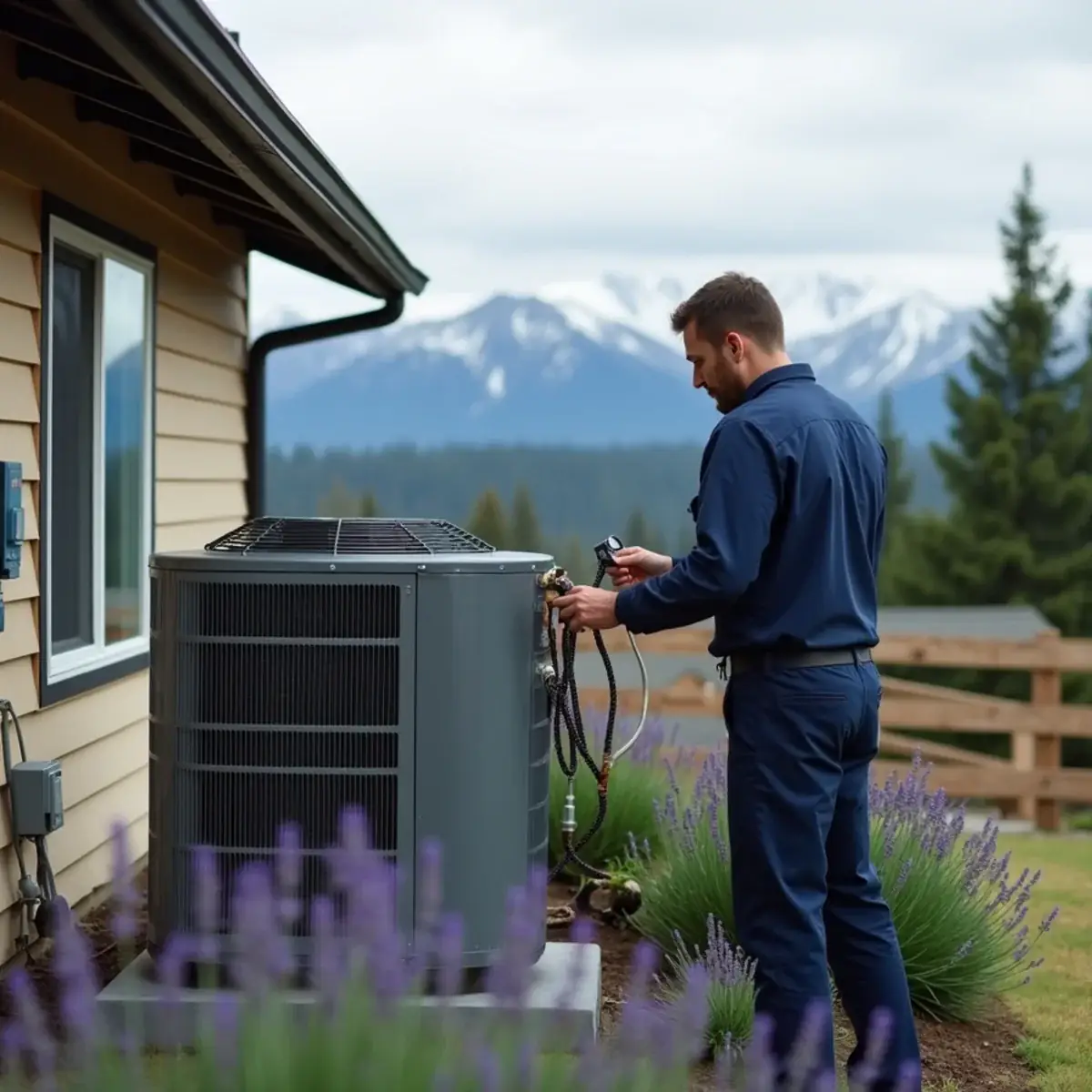
- Refrigerant handling. Anyone who opens a refrigerant circuit, connects lines or adjusts the charge must hold EPA Section 608 certification. Pre-charged “quick-connect” kits are designed around this, but most standard units need a certified technician.
- Electrical work. A new 240-volt circuit and outdoor disconnect need an electrical permit. Washington’s Department of Labor & Industries oversees electrical work statewide, with some cities running their own programs.
- Mechanical permit and contractor registration. Most jurisdictions require a mechanical permit, and anyone you hire should be a registered Washington contractor with the required bond and insurance.
Checking the installer is quick. Search the business on the L&I contractor lookup, confirm an active registration, the $15,000 specialty bond and liability insurance, and make sure the registered name matches the quote and whoever receives your payment. Then ask which technician on the job holds the Section 608 card. Someone willing to hang the unit and leave the charging for later is a warning sign, and if that already happened and the unit is icing, book a heat pump repair visit before the damage spreads to the compressor.
What we check before agreeing to install your unit
We look at the equipment before scheduling, ideally from photos of the boxes and model labels. Our checklist:
- Indoor and outdoor model numbers that are designed to work together.
- Capacity that matches the room, based on a Manual J style load estimate, not just square footage.
- The correct voltage, usually 208/230 volts for full-size units, and a match with your panel’s capacity.
- Line-set diameter and length that suit the planned routing.
- All parts present: wall bracket, drain hose, communication cable, flare nuts and any required accessories.
- No shipping damage to the coil, fan or refrigerant fittings.
- Cold-climate performance if the unit will be the room’s only heat source.
The most common mismatch
Oversizing. A 24,000 BTU unit in a 300-square-foot bedroom short cycles, leaves the room clammy in summer and wears out faster. We’d rather tell you before the install than after.
Line-set length and refrigerant charge
Most outdoor units ship with enough refrigerant for a specific line-set length, often somewhere around 15 to 25 feet. Run longer, and additional refrigerant has to be weighed in at the manufacturer’s ounces-per-foot figure. Run much shorter, and some models need adjustment too. Getting it wrong shows up as weak heating, icing or a compressor running hot.
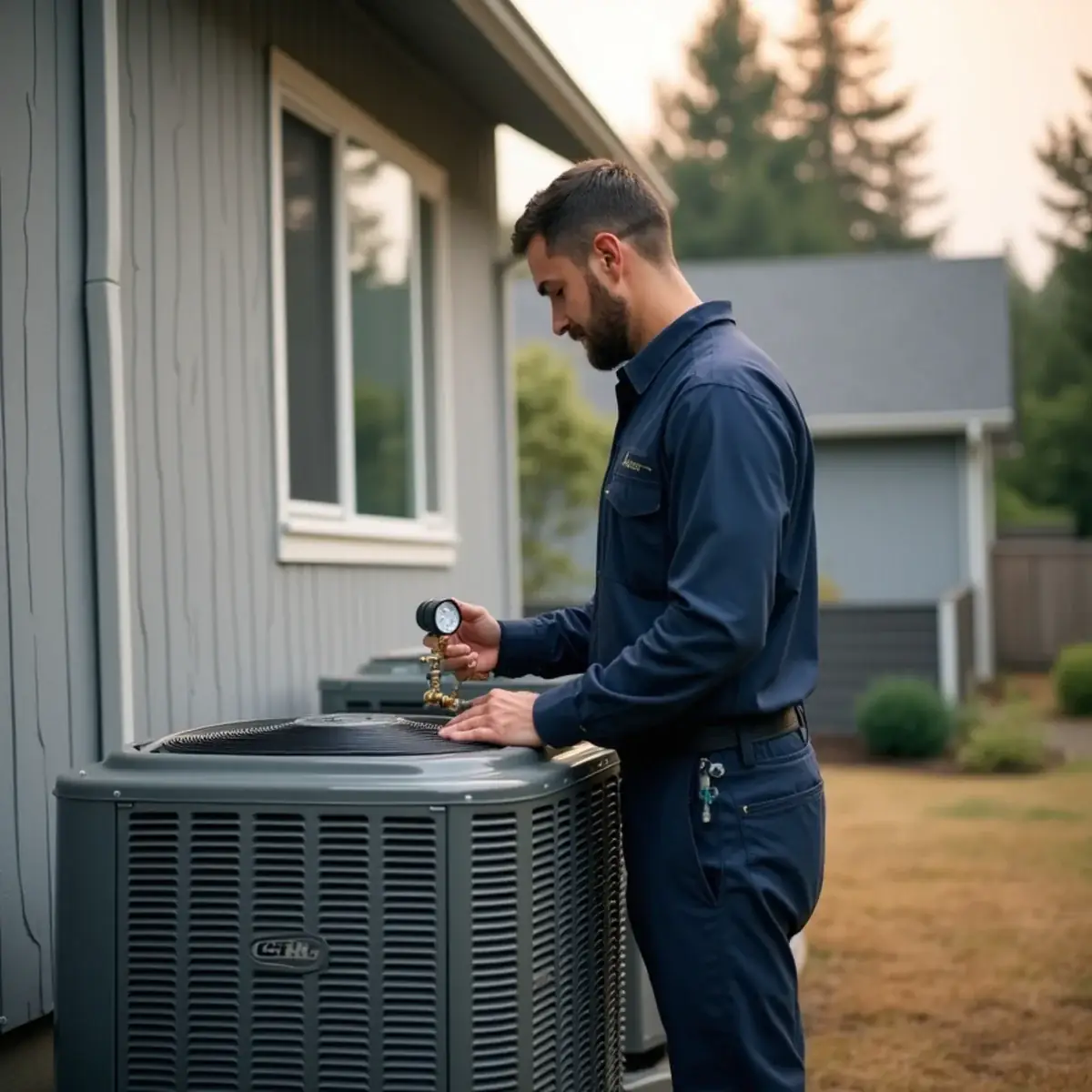
Doing the connections properly takes more than tightening nuts. We make flares to the correct size and torque them to spec, pressure test with dry nitrogen to find leaks, and pull a deep vacuum measured with a micron gauge, typically below 500 microns, then watch it hold before releasing refrigerant. Skip those steps and moisture and air stay in the system, where they slowly damage the compressor.
Warranty and liability realities
Read the equipment warranty before you buy. Many manufacturers require installation by a licensed or certified professional, and some limit coverage on units bought from unauthorized online sellers. Registration deadlines matter too.
With customer-supplied equipment, an installer can stand behind their workmanship, but equipment defects are between you and the seller or manufacturer. If a compressor fails in year two, you may be handling the warranty claim and paying separately for the labor to swap parts. Knowing that up front avoids hard feelings later. Keeping records of yearly HVAC maintenance, including filter cleaning and coil checks, also helps if a manufacturer ever questions a claim.
Where these projects go wrong locally
In Silverdale and Central Kitsap, a typical call is a unit that was hung by a handyman and never charged correctly. It heats weakly, ices up in January and runs constantly. In Port Orchard, we often find outdoor units set right under a roof edge with no gutter, getting soaked and iced, or condensate lines that dump straight into the crawl space.
If your equipment turns out to be the wrong fit, we’ll say so, and we can quote a matched system instead. Our guide to mini-split costs on the Kitsap Peninsula can help you compare the two paths.
What a labor-only mini-split quote should spell out
When you supply the equipment, the quote covers everything else, and that’s where surprises hide. Ask for it in writing with these items addressed. Hoping for an incentive too? Read our guide to Washington heat pump rebates before ordering.
- Materials the installer provides versus what came in your box: line-set covers, wall bracket or ground stand, disconnect, electrical whip and any condensate pump.
- The line-set length your unit’s factory charge covers, and the price for extra refrigerant beyond it.
- Electrical and mechanical permits, and who schedules the inspections.
- Startup documentation handed to you: pressure test result, final vacuum reading in microns and operating readings.
- How return trips are billed if the equipment fails at startup or needs a warranty part.
- Payments tied to installation, startup and a passed inspection.
From the field
From the field: install day with equipment someone else chose
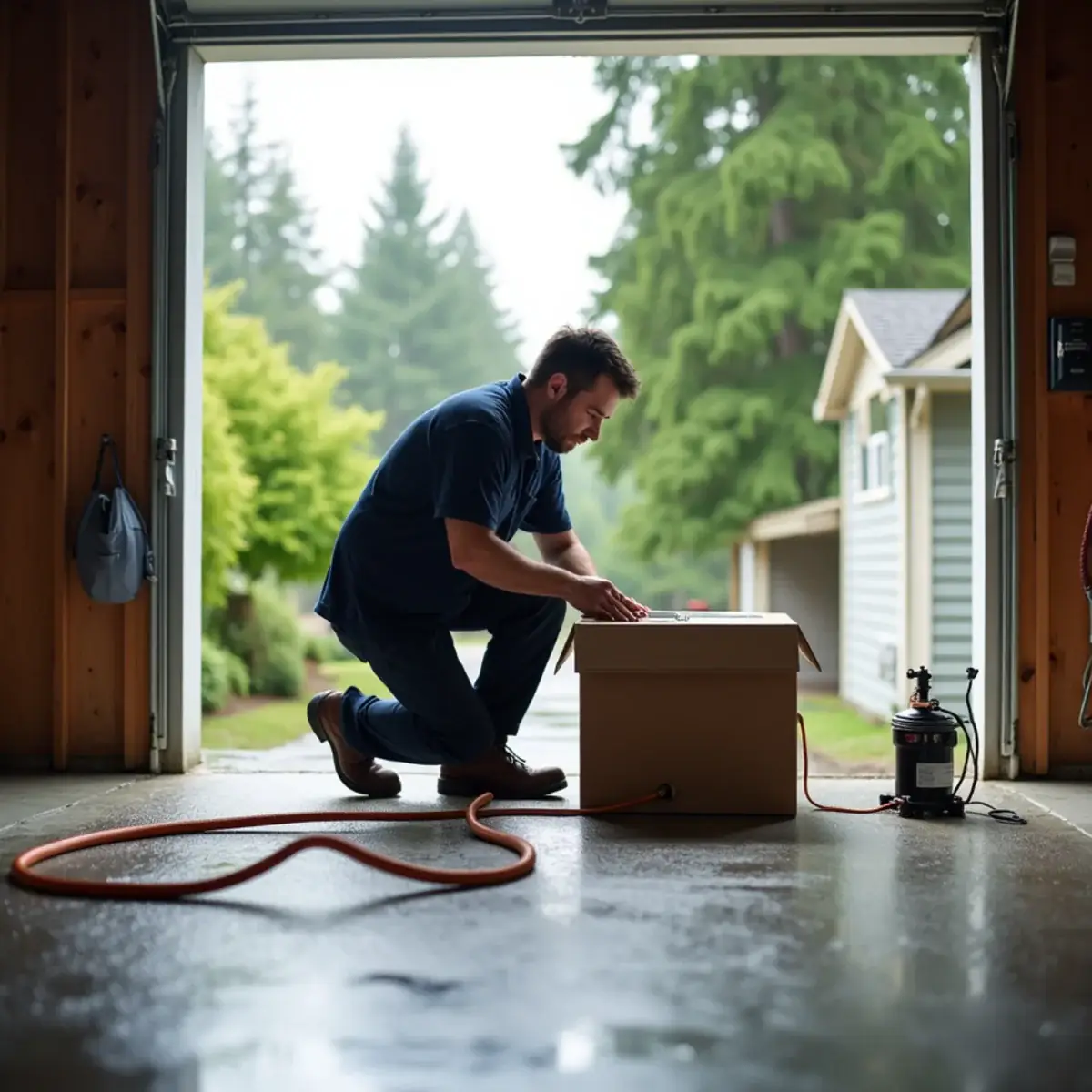
Install day starts with the boxes, not the drill. Photos catch the wrong model, but they miss a crushed flare fitting, a bent coil or a communication cable thinner than the wiring diagram calls for. Budget kits sometimes ship with pre-made flares we won’t trust, so we cut and torque new ones. If a part is missing, we’d rather reschedule than improvise.
Pre-charged quick-connect line sets bring their own rules. They can’t be shortened, so extra length gets coiled flat and supported instead of stuffed behind the unit where oil can pool. The condensate hose needs steady fall the whole way; one sag inside the wall and water backs into the head by August.
Commissioning is where a customer-supplied job earns its keep. Once the standing vacuum holds, we run heating and cooling, record amperage against the nameplate, check the temperature split at the head and confirm defrost behaves. Those readings go to you, because a manufacturer may ask for them later. Replacing baseboards? Our baseboard-to-ductless conversion guide covers room-by-room planning.
The honest tradeoff: labor-only saves on equipment, not on the work. When a kit turns out mismatched, a matched heat pump installation can cost less than rescuing it. Inverter boards also dislike surges, so keep our outage restart steps near the thermostat.
FAQ
Quick answers
Can I pull my own permit for a mini-split?
Washington allows homeowners to do some electrical work on their own owner-occupied home with a permit, and some jurisdictions allow homeowner mechanical permits. Refrigerant work still requires EPA Section 608 certification. Check with your city or county and with L&I before starting, because the rules depend on where you live and what work you do.
Will installing a unit I bought online void the warranty?
It depends on the manufacturer and the seller. Some require professional installation and registration within a set period, and some limit coverage for units purchased through unauthorized channels. Read the warranty terms before buying, keep your receipt, and ask your installer for documentation of the startup readings in case you ever need to file a claim.
Can I still get a utility rebate on a mini-split I bought online?
Possibly, but check first. Programs typically require equipment that meets set efficiency thresholds as a matched system, an itemized invoice with model and serial numbers, and installation by a registered contractor, sometimes a participating one. Online bundles occasionally pair indoor and outdoor units that are not rated together. Confirm the exact model numbers against your utility’s current qualifying list before you order, not after the boxes arrive.
Why do some HVAC contractors refuse to install equipment I bought?
Mostly because of unknowns. The installer can’t vouch for how the unit was stored or shipped, whether the indoor and outdoor models are truly matched, or whether the manufacturer honors its warranty for an online purchase, yet they get the callback if it fails. Some big-box install programs only install equipment they sell. Sending model numbers and photos first shows quickly whether a contractor can take the job.
The bottom line
A mini-split you bought yourself can become a solid, efficient system if it’s the right size, installed with proper permits, and connected by a certified technician who pressure tests, vacuums and verifies the charge. Skip those steps and the savings disappear fast.
Before you book, send your model numbers and a few photos of the room and wall where you want it. That quick review tells you whether the unit fits the job and what the installation will involve.
Sources & official references
- EPA Section 608: refrigerant technician certification rules
- Washington L&I: contractor registration, bond and insurance requirements
- Washington L&I: verify a contractor before hiring
- Puget Sound Energy: current heat pump rebate requirements
Programs, rules and fees change. Confirm current details with the source before you act.