Short answer
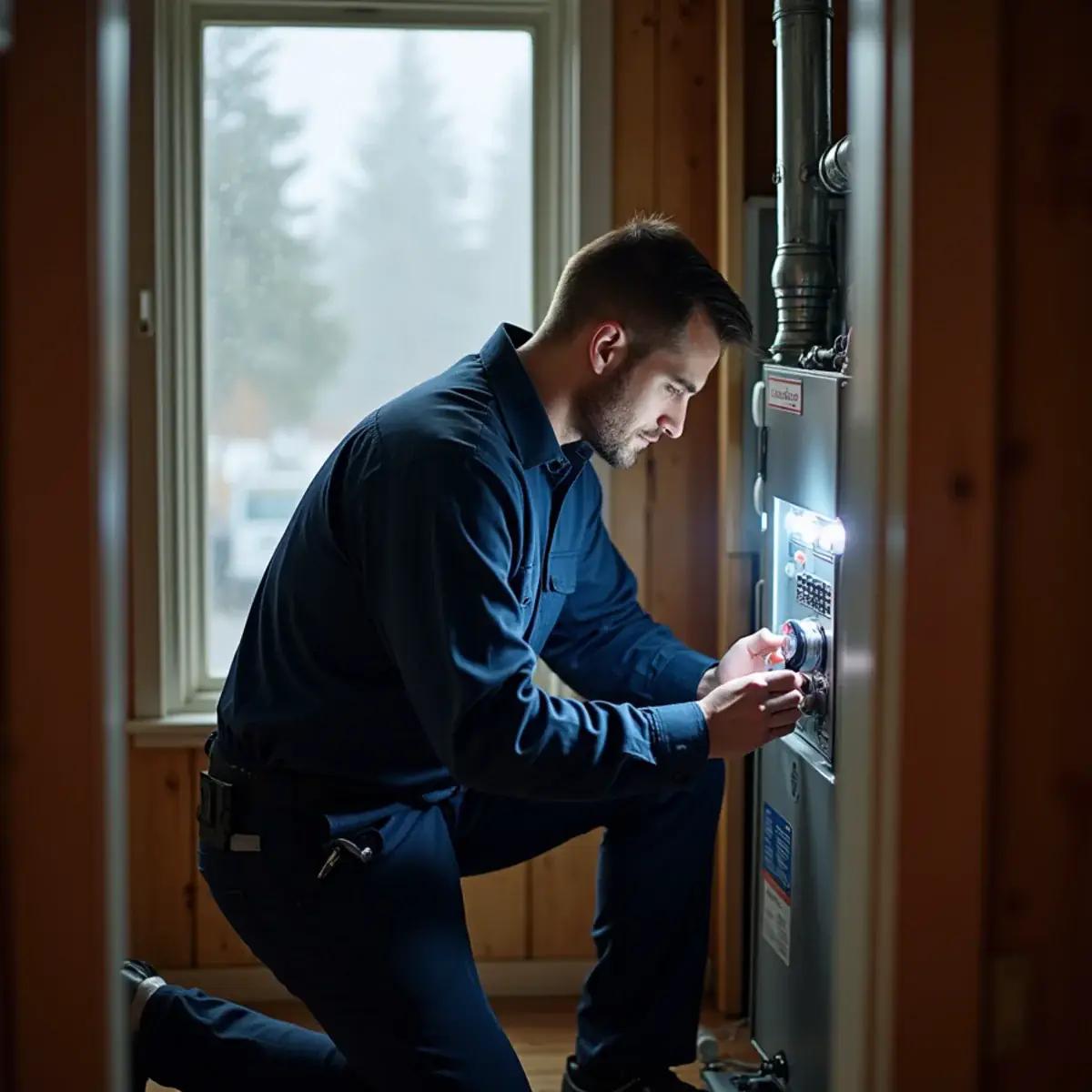
No heat repair in Bremerton, WA means finding out why a furnace, heat pump or mini-split stopped heating, making the equipment safe, and getting warmth back into the house. We check gas, CO and wiring first, trace the startup sequence to the exact failure, then fix it or set up safe temporary heat while a part is on order.
No heat is the call we treat as a priority from October through March. Our no heat repair in Bremerton, WA covers every system common here: gas furnaces, heat pumps, ductless mini-splits, electric furnaces and the aging systems still hanging on in older Navy-era houses.
Common culprits: a blown control board fuse, a flame sensor coated after an idle summer, a failed inducer motor, a heat pump locked out after an outage or a condensate switch tripped by a clogged drain. Some fixes are quick. A cracked heat exchanger or a dead compressor is not, and we’ll tell you on the spot.
Before you call, a few checks can save a visit. Our no-heat checklist for Bremerton homeowners walks through thermostats, breakers, filters and the furnace door switch in plain steps.
Reviewed · regional price ranges and rebate details are rechecked at each update.
What “No Heat” Usually Looks Like
The symptom narrows the cause. Tell us which of these you’re seeing when you call.
Blower runs, air is cold
On a gas furnace this points to ignition: a dirty flame sensor, failed igniter or gas valve issue, all handled through our furnace repair service. On a heat pump, the compressor or reversing valve may not be engaging.
Nothing runs at all
Check the thermostat display and the breaker first. If both look fine, a blown low-voltage fuse, failed transformer or open safety switch is likely.
Furnace starts, then shuts off
Short cycling in the first minute often means the flame isn’t being proven or the pressure switch won’t close, frequently from a blocked vent or a waterlogged condensate trap.
Heat pump outdoor unit is silent
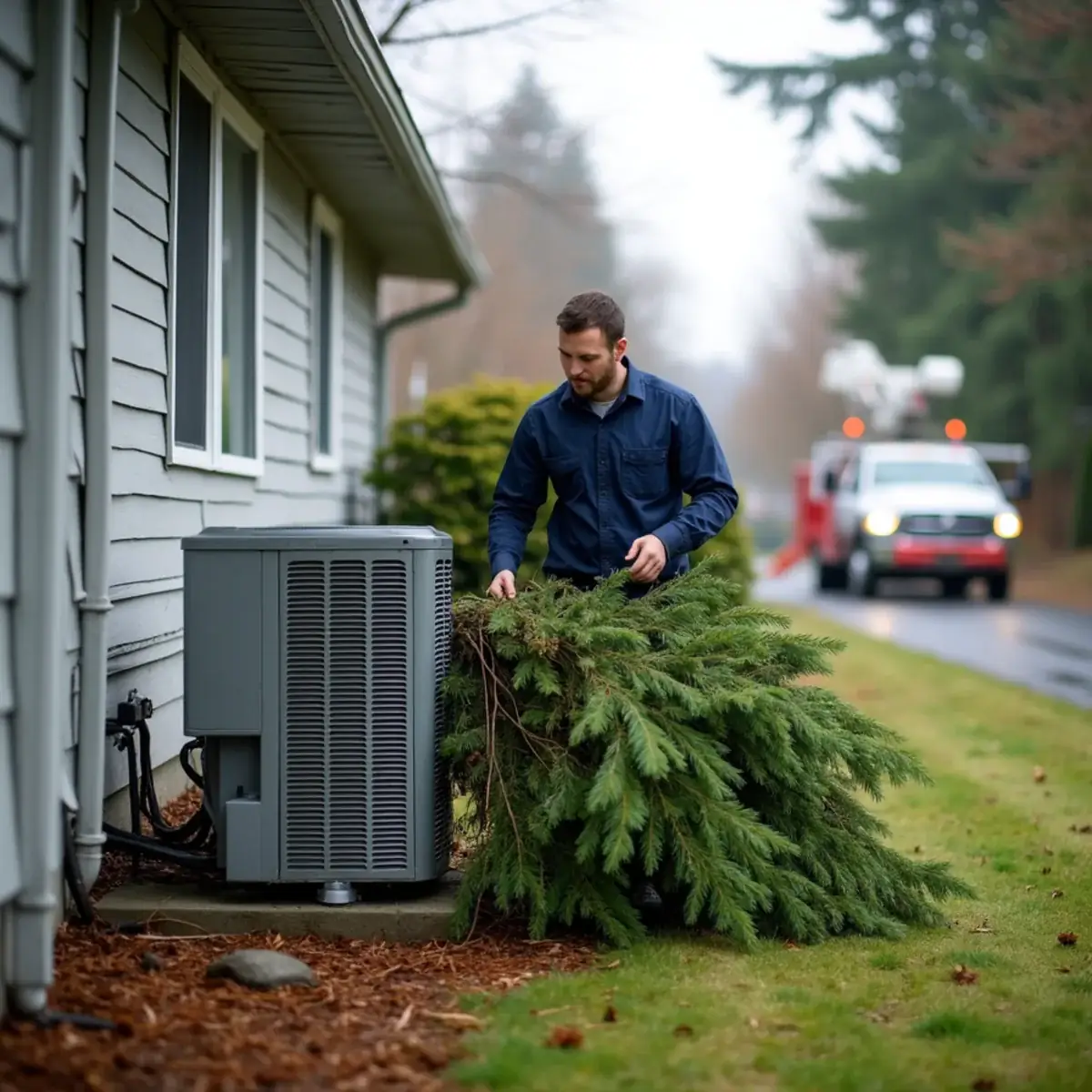
Tripped outdoor disconnect, failed contactor or a lockout after a power flicker. Our heat pump repair page covers defrost and icing faults in more depth.
Only some rooms are cold
That’s rarely a true no-heat problem. Crushed flex duct in the crawl space, a disconnected run or one failed mini-split head is more likely.
What a no-heat service call includes
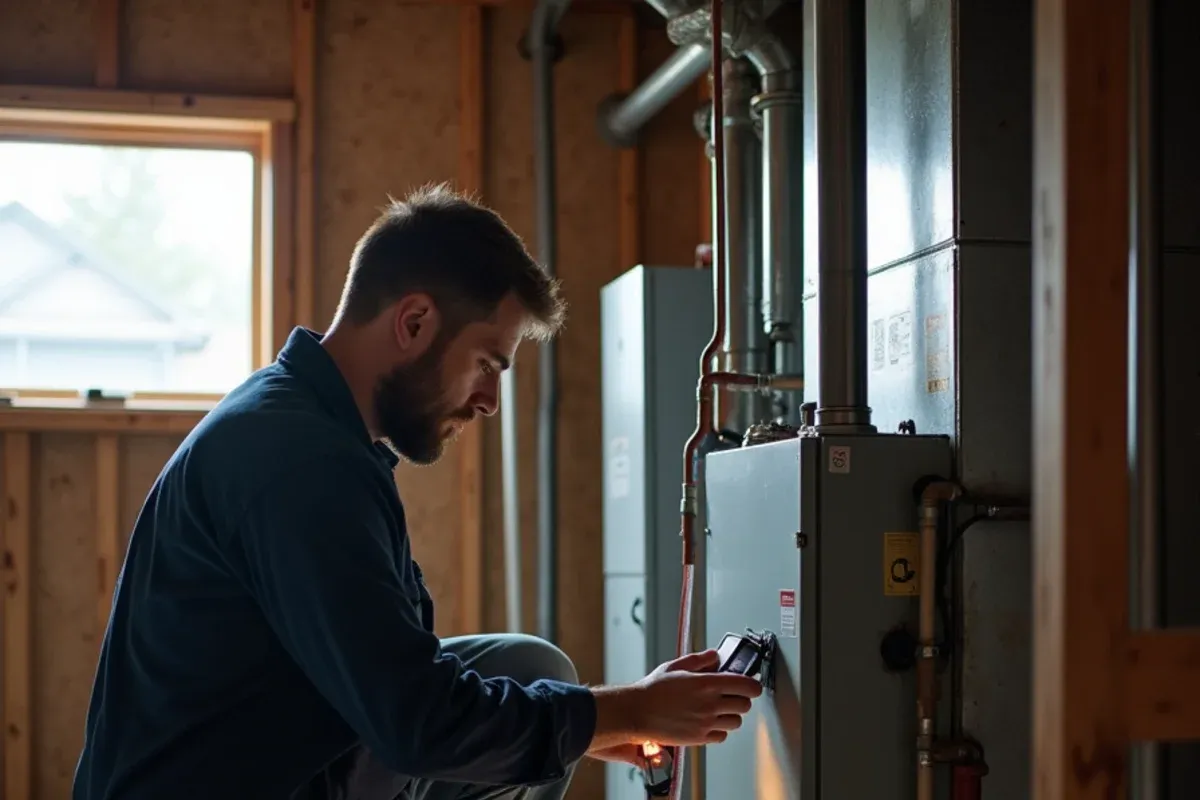
A cold house needs speed, but it also needs the real cause found. Every no-heat call covers these steps:
A quick phone walk-through
Breaker, thermostat batteries, furnace door switch and filter. Sometimes that ends the problem before anyone drives out.
Hazard readings before a restart
A gas leak check and CO reading on combustion equipment, and a look for heat damage on electric units, before we fire anything.
The failure pinned down
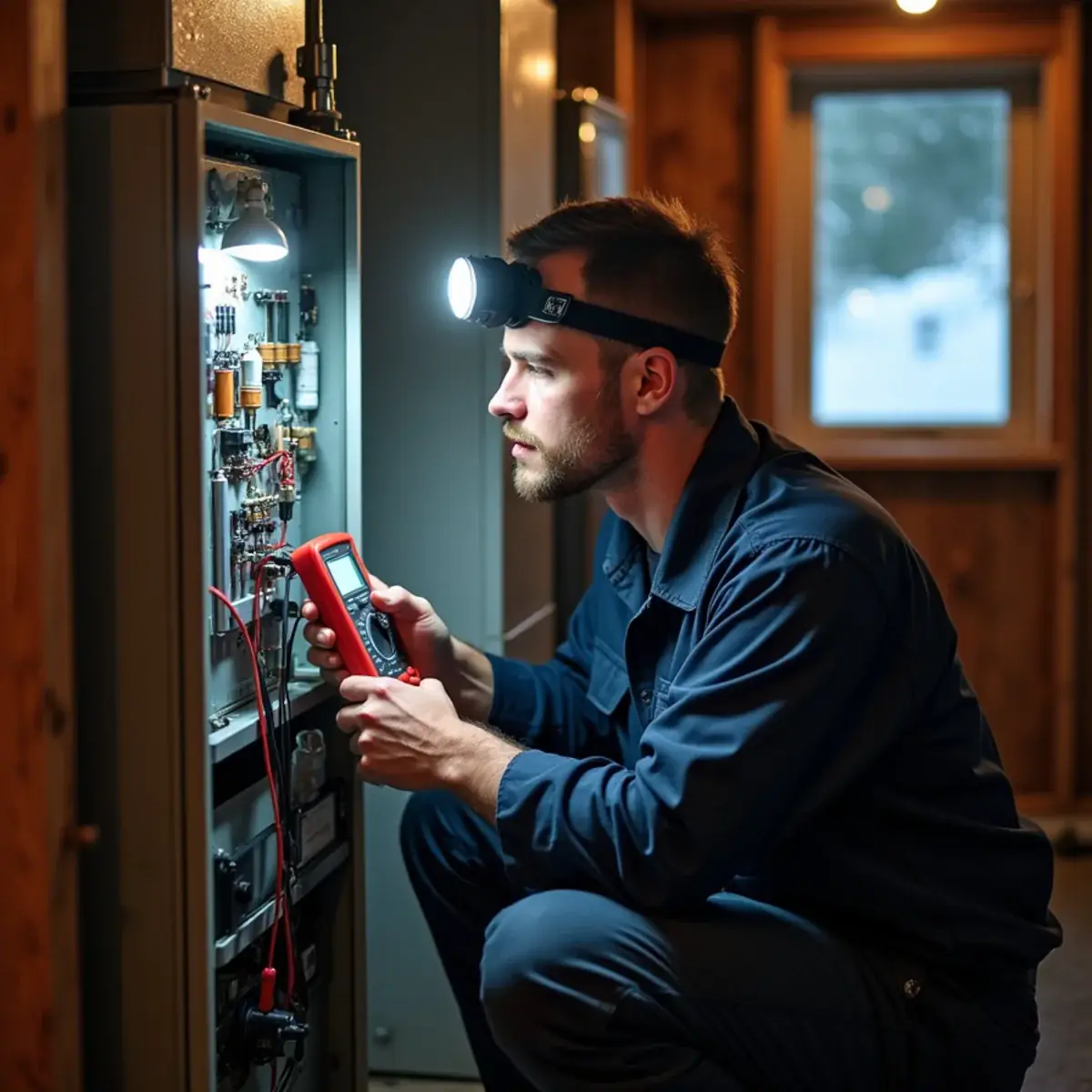
We follow the startup sequence to the step where it stops, then confirm the bad part with a meter.
Tripped safeties explained
A high-limit, rollout or condensate switch that opened did so for a reason. We find that reason instead of resetting and leaving.
An overnight heat plan if needed
Backup strips, one working ductless head or a single warm room, never a jumpered safety control.
Heat confirmed at the registers
After the repair, supply temperatures are checked in the rooms, not just at the equipment, and the failed part and readings go on a written note.
Getting Your Heat Back On: Our Process
The priority order is safety, then heat, then a permanent fix.
- 1
Triage by phone
We ask about the fuel type, what you’re seeing and whether anyone smells gas. If you smell gas, leave the house now, then call 911 or Cascade Natural Gas’s emergency line from outside. We never troubleshoot a gas smell over the phone.
- 2
Safety checks on arrival
Combustion appliances get a gas leak check and a CO reading before we fire anything. Electric systems get checked for heat damage or scorched wiring.
- 3
Follow the sequence of operation
We step through the system’s startup sequence until we find exactly where it stops. That’s faster and cheaper than swapping parts on a hunch.
- 4
Restore heat, even temporarily
If the part isn’t on the truck, we find a safe way to keep you warm overnight, such as heat pump backup strips, without ever bypassing a safety control.
- 5
Permanent repair and a straight answer
Once parts arrive, we finish the repair and test a full heating cycle. If the system is failing in ways that will keep repeating, you’ll hear that from us with the reasoning.
What Affects the Cost of a No-Heat Call
No-heat repairs range from a quick reset to a major component, so we don’t price before we diagnose.
- System type
- Gas furnaces, heat pumps and ductless systems use different parts, and some mini-split boards are only available through the manufacturer.
- The part that failed
- Flame sensors and igniters are modest. Inducer motors, control boards and blower motors cost more. The published furnace repair range in this area runs roughly $150–$700.
- When you call
- Evenings, weekends and holiday cold snaps carry higher rates than a scheduled weekday visit.
- Parts availability
- During an Arctic outbreak, common parts sell out across Puget Sound. Older or discontinued equipment may need a universal replacement.
- Safety findings
- If we find a cracked heat exchanger or a venting defect, the appliance stays off until it’s corrected, which turns a repair into a replacement conversation.
Every no-heat call is different, and the final price requires a site visit and diagnosis. We explain the cost of the repair before doing it.
Cold Snaps and Windstorms: When No-Heat Calls Spike
Bremerton’s no-heat calls cluster around two events. The first is the occasional Arctic outbreak, when temperatures drop into the teens and every weak igniter, tired capacitor and undersized system across Kitsap County gets exposed in the same 48 hours.
The second is the windstorm. Outages flip breakers, scramble thermostats and can leave heat pumps locked out once power returns; our post on restarting a heat pump after a power outage explains the safe sequence. A surge can also take out a furnace control board or a mini-split inverter board.
A common post-storm call in Tracyton is a perfectly healthy furnace sitting behind a tripped breaker. Check the panel first. If it’s after hours and the breaker isn’t the answer, our emergency HVAC repair service covers nights and weekends.
Staying Safe While the House Is Cold
Older homes around Erlands Point and Kitsap Lake often have water lines running through a vented crawl space, and those can freeze within a day of lost heat in a hard cold snap. Plan ahead if a repair has to wait overnight.
A few firm rules while the house is cold:
- Never run a generator, grill or camp heater indoors or in an attached garage. Carbon monoxide gives no warning.
- Plug space heaters directly into a wall outlet, not an extension cord, and keep 3 feet clear around them.
- If a CO alarm sounds, get everyone outside and call 911.
- If you smell gas, leave first, then call 911 or your gas utility’s emergency line from outside.
What to photograph and tell us before the technician arrives
Two minutes with your phone can shorten a no-heat visit. Photograph only what you can see without opening electrical panels or entering an unsafe crawl space.
When you call, tell us the fuel type, the system’s rough age, when the heat stopped and how many times it has been reset; three lockouts in an hour tell a different story than one. A clear rating-plate photo from West Bremerton often puts the right part on the truck.
- The status light first. Most furnaces have a small window showing a blinking LED. Film it for 20 seconds before removing the door, since opening the panel cuts power and can clear the code.
- Rating plates. The model and serial label inside the furnace door or on the outdoor unit.
- The thermostat screen, including any Aux, Em Heat or error message.
- Anything wet, iced or scorched, like water under the furnace or a darkened wire.
- The breaker panel, showing any tripped breakers.
Tell us who is in the house: how occupants shape a no-heat call
The weather sets part of the urgency; the people inside set the rest. Mention an infant, an older adult, someone recovering from surgery, or anyone relying on powered medical equipment.
That shapes the temporary-heat plan we talk through by phone: backup strips on a heat pump, a vented, recently serviced gas fireplace, or everyone in one warm room overnight. In older homes around Navy Yard City and Gorst, that plan matters.
Why Bremerton families call us when the heat goes out
A no-heat night is when people are most likely to agree to more than they need. We keep it simple:
Every heat source in the house
Gas and electric furnaces, heat pumps, mini-splits and the gas fireplace you might lean on overnight are all within our work, so one visit can cover the backup plan too.
Safety controls stay in place
We never bypass a limit, rollout or pressure switch to get heat back. If the only way to warm the house is unsafe, we say so and find another option.
No replacement pitch at midnight
The goal is heat tonight and a diagnosis you can check. A bigger conversation, if one is needed, happens later with a written heating system replacement scope beside the repair quote.
A record for next time
Dated photos, readings and the failed part’s details are written up, which helps if the same fault returns or a warranty claim follows.
FAQ
No Heat Repair questions from Bremerton homeowners
What should I check before calling for no heat?
Confirm the thermostat is set to Heat and above room temperature, and replace its batteries if the screen is blank. Check the breaker for the furnace or air handler, plus the outdoor disconnect for a heat pump. Make sure the furnace door is fully seated, since a loose panel trips a safety switch. Finally, check the filter; a clogged one can trip the high-limit switch.
Is no heat an emergency?
It depends on the weather and who is in the house. At 45°F outside with a healthy household, it can usually wait for a daytime visit. In a hard freeze, with infants, elderly relatives or someone with a medical condition at home, or with pipes at risk, treat it as urgent. Any gas smell, CO alarm or burning electrical odor is an emergency every time.
Why does my furnace keep shutting off after a few minutes?
Short cycling usually means a safety control is doing its job. A dirty flame sensor, a blocked exhaust or intake vent, a clogged condensate trap on a high-efficiency furnace or an overheating heat exchanger from poor airflow are the usual causes. Resetting it over and over doesn’t fix any of them and can hide a real safety problem, so have it diagnosed.
Should I replace my system after a no-heat breakdown?
Not on the strength of one cold night. Get heat restored, then ask which part failed, how it was confirmed and whether anything else is close to failing. One igniter or capacitor on a maintained system says little; a cracked heat exchanger, a dead compressor or a third major failure in two winters says much more. Decide in daylight, with a written replacement scope beside the repair quote.
Can I use my gas oven or fireplace to heat the house while I wait?
Never use a gas oven, range or grill for heat; they can fill a closed house with carbon monoxide. A vented gas fireplace that has been serviced and works normally is a reasonable bridge, as long as its glass front is in place and a CO detector is working nearby. If its pilot won’t stay lit or you smell gas, turn it off, leave the house if the smell persists, and call from outside.
My thermostat screen is blank. Does that mean the heating system failed?
Not always. Start with fresh batteries if your thermostat uses them. If it is powered by the system, a blank screen usually means the furnace or air handler has lost power: a tripped breaker, a switch turned off, or a loose door panel. A blown low-voltage fuse or failed transformer can also cause it, and those need a technician to test and replace.
Could an empty propane tank be why there’s no heat?
Yes, and it happens more often than people expect in rural Kitsap and Mason homes. Check the tank gauge first. If the tank ran dry, the supplier generally needs to perform a leak check before gas is restored, and the furnace pilot or ignition may need relighting afterward. If the tank has fuel and the furnace still won’t fire, the regulator, gas valve or ignition is next on the list.
No-heat help across South Kitsap and Hood Canal
The cause of a cold house depends a lot on the neighborhood. Split-levels in East Port Orchard often run electric forced air, where a burned element or sequencer is the usual find. On acreage in Olalla and Burley, propane furnaces add fuel supply and regulator checks to the list.
Weekend cabins near Union on Hood Canal can sit cold for days before anyone notices, so we ask whether the water lines have been protected before we drive out.
We provide no heat repair across Bremerton and nearby communities, including:
- No Heat Repair in Kitsap County
- No Heat Repair in Port Orchard
- No Heat Repair in Silverdale
- No Heat Repair in Chico
- No Heat Repair in Erlands Point-Kitsap Lake
- No Heat Repair in Navy Yard City
- No Heat Repair in Rocky Point
- No Heat Repair in Tracyton
- No Heat Repair in Enetai
- No Heat Repair in East Port Orchard