Short answer
Gas line installation in Bremerton, WA means sizing, running and pressure testing new piping so every appliance gets full gas volume at once. We handle the permit, check the Cascade Natural Gas meter against the new load and light off each appliance after inspection.
Gas line installation in Bremerton, WA is less about the pipe and more about the math. Every appliance on a gas system needs a specific volume at a specific pressure, and a line that’s too small for the combined load starves the furnace when the range, water heater and fireplace fire together.
We run new gas piping for furnaces, water heaters, ranges, dryers, fireplaces, standby generators and outdoor kitchens. Most projects fall into three situations: adding an appliance to an existing gas service, converting from oil or electric heat, or a remodel that relocates equipment.
If you smell gas at any point, leave the house immediately, then call 911 or the gas utility’s emergency line (Cascade Natural Gas in most of Kitsap County) from outside. Don’t flip switches, use a phone indoors or hunt for the leak yourself. Our guide on what to do if you smell gas near a furnace or fireplace covers the steps in detail.
Reviewed · regional price ranges and rebate details are rechecked at each update.
When You Need New or Upgraded Gas Piping
Gas piping projects usually start with a change to the house, not a breakdown.
Adding a gas appliance
A new gas fireplace insert, range or tankless water heater needs its own branch, and often a larger trunk line to carry the added load.
Converting from oil or electric heat
Plenty of older Bremerton homes still have oil tanks or baseboard heat. Moving to gas means confirming Cascade Natural Gas service at the street, then piping to the new gas furnace installation. Our article on moving off oil heat in Kitsap and Mason counties covers the whole decision.
Appliances underperforming
Lazy burner flames, a tankless unit throwing errors at full demand or a furnace that struggles whenever the dryer runs can all signal undersized pipe.
Old or improper materials
Unprotected steel in contact with soil, corroded fittings in a damp crawl space or unbonded CSST should be evaluated.
What’s included in a gas piping project
The pipe is only part of the job. These are the pieces you should see from us on every gas line installation, large or small.
Btu load schedule
A written list of every appliance on the system, current and planned, with the pipe size chosen for each segment.
Meter and regulator review
We compare the new total with what the Cascade Natural Gas meter delivers and request an upgrade when it falls short.
Permit and inspection
The mechanical permit pulled under our name and the inspection scheduled, with the signed card left for your records.
Shutoffs, traps and supports
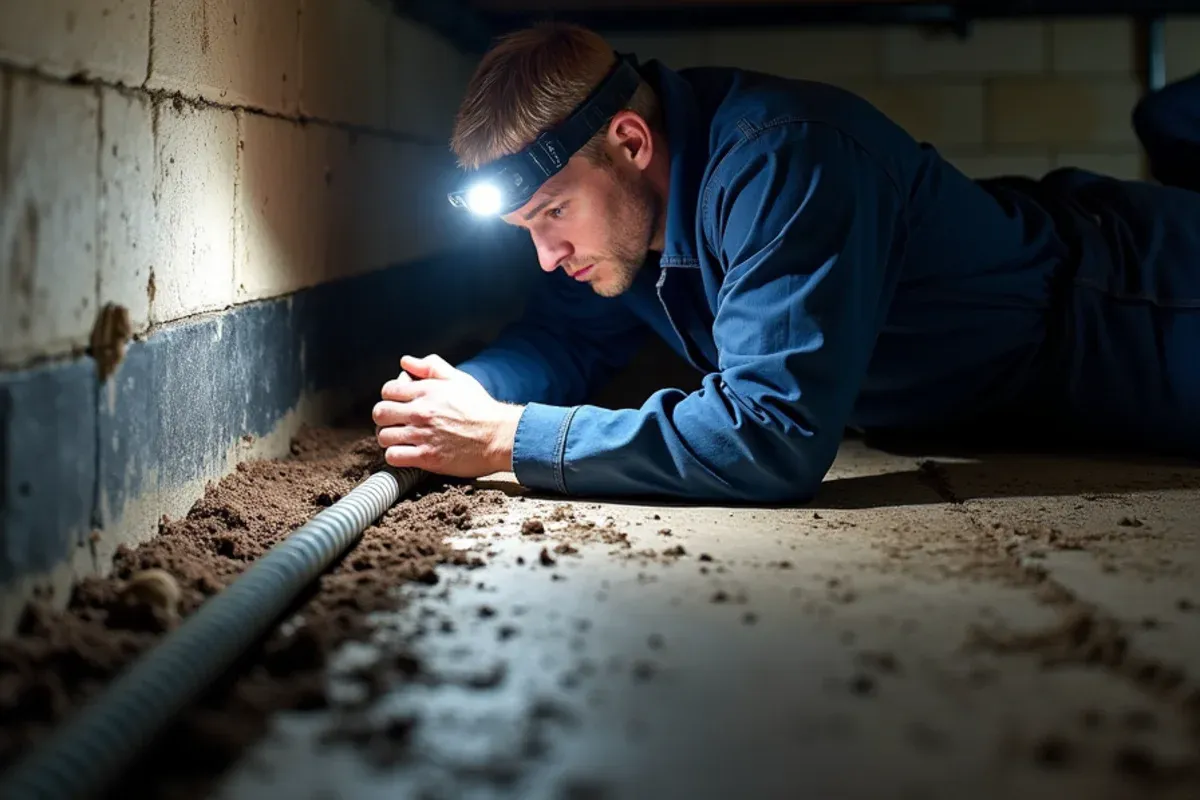
An accessible shutoff and sediment trap at each appliance, with pipe strapped up off damp crawl-space soil.
Bonding on CSST runs
Clamp and conductor tied into the electrical grounding system wherever flexible tubing is used.
Recorded pressure test
Test pressure, hold time and result written down, not just shown to the inspector.
Purge, light-off and cleanup
Air purged, each appliance lit and leak-checked, abandoned branches capped at the source and the work area cleaned.
How We Plan and Install Gas Piping
Gas piping is permitted, inspected work. Here’s what a typical project looks like from our side.
- 1
Load and length calculation
We total the Btu input of every connected appliance, measure the longest run and size each segment from the code tables. This is where most handyman gas lines go wrong.
- 2
Meter and service check
We confirm the meter and service line can supply the new load. If they can’t, we coordinate a meter upgrade with Cascade Natural Gas, which can add time to the schedule.
- 3
Permit
We pull the mechanical permit with the City of Bremerton or the correct county jurisdiction before work starts.
- 4
Materials and installation
Black iron for exposed runs, CSST where flexibility helps, and approved polyethylene with tracer wire for buried yard lines. Each appliance gets an accessible shutoff and a sediment trap where code requires one.
- 5
Pressure test
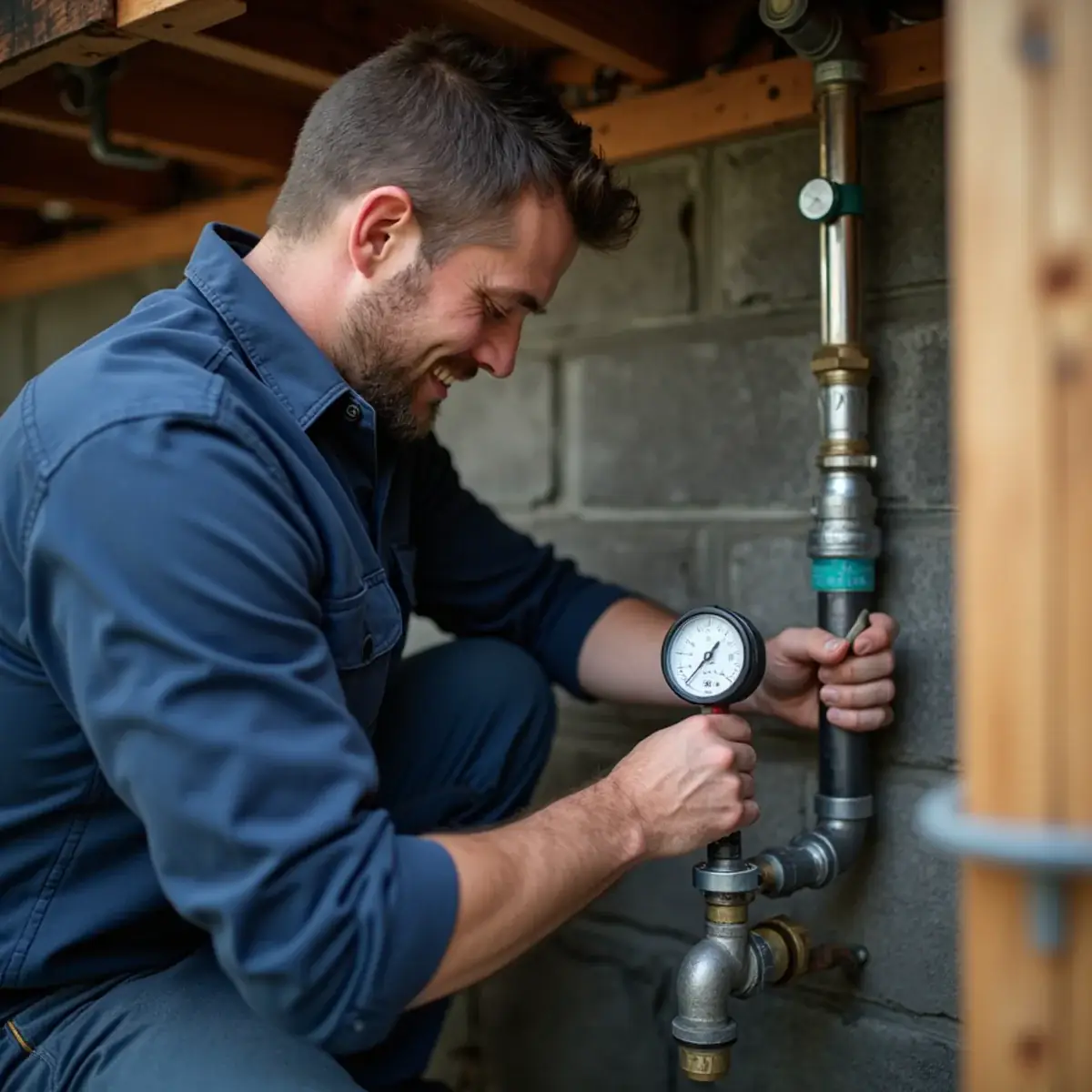
The new piping is capped and held at test pressure for the required time. No drop, no pass. Inspectors often want to see the gauge still holding.
- 6
Inspection and light-off
After the inspector signs off, we purge the line, light each appliance, leak-check every joint and verify burner operation.
What Affects Gas Line Installation Cost
Cost depends on distance, access and how much of the existing system has to change.
- Length of the run
- A short branch to a range beside an existing line is a very different job from a 60-foot run across a crawl space to a garage.
- Material
- Black iron, CSST and polyethylene carry different material and labor costs, and CSST adds bonding.
- Access
- Low crawl spaces, finished ceilings and concrete slabs make routing harder, and many older Navy-era homes have very tight crawl spaces.
- Trenching
- Buried lines to detached shops, generators or outdoor kitchens need trenching to the proper depth.
- Meter upgrade and fees
- A Cascade Natural Gas meter change plus permit and inspection fees add to the total.
Every gas piping job is sized to the house, so the final price requires a site visit. You’ll get a written estimate after we measure the run and total the load.
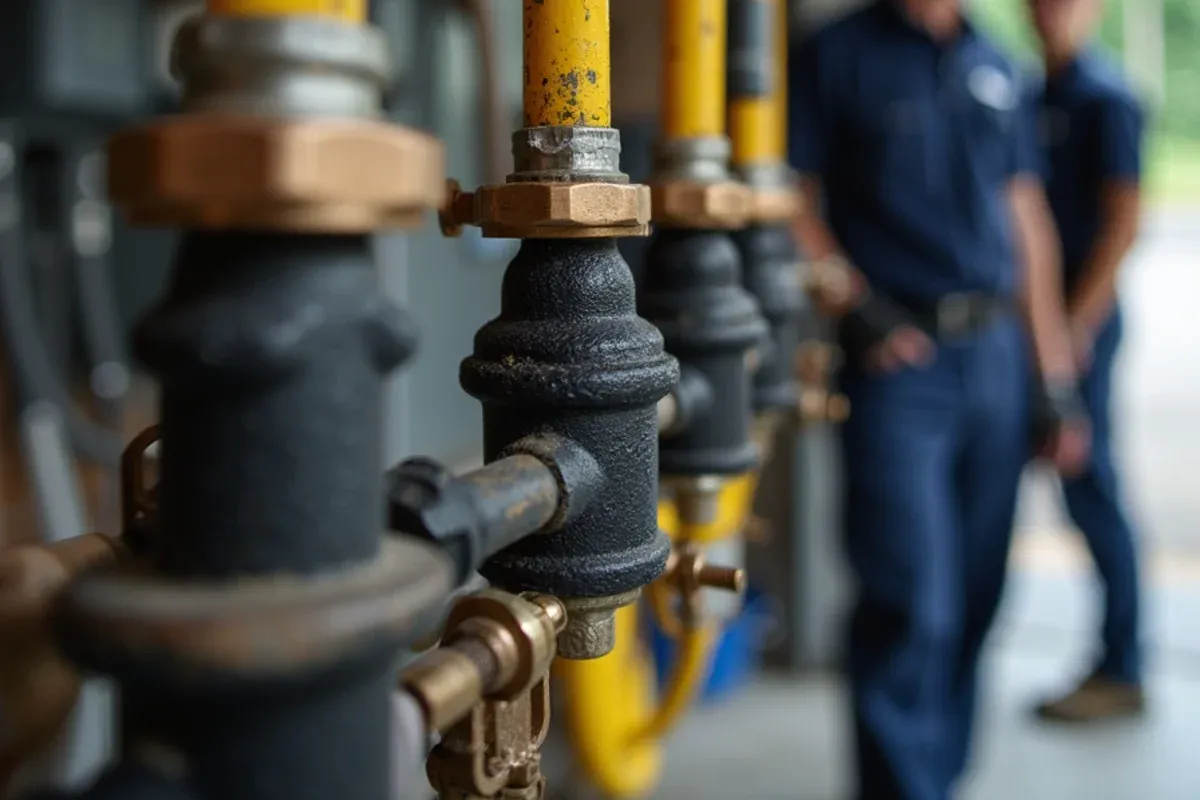
CSST, Bonding and Why It Matters
Corrugated stainless steel tubing, or CSST, is flexible, quick to install and approved for residential gas piping. It also has to be bonded to the home’s electrical grounding system per the manufacturer’s instructions and code, because a nearby lightning strike can arc through thin-wall tubing and puncture it.
Lightning isn’t common in Kitsap, but it happens, and some older CSST in the area was installed without proper bonding. When we work on a system with yellow-jacketed CSST, we look for a bonding clamp and conductor near the meter or manifold. If it’s missing, we recommend adding it.
Local Conditions That Change the Job
Damp crawl spaces are the biggest factor. Steel pipe resting on wet soil or against a sweating foundation corrodes, so we keep pipe supported and off the ground and protect it where needed. In older homes around Navy Yard City, we often find a patchwork of original and added pipe that has to be sorted out before anything new ties in.
Waterfront homes in Rocky Point and along the Port Washington Narrows expose outdoor meter sets and risers to salt air. Exposed fittings there deserve a look every few years.
Not every street in Kitsap County has natural gas. We confirm availability with Cascade Natural Gas early, before you buy an appliance you can’t connect. If gas isn’t available, propane or a heat pump may be the better route.
Gas piping quote and permit checklist for Bremerton homes
Two gas line bids can differ widely and both look reasonable on one page. Ask for these items in writing, ideally from three contractors, so you can compare them line by line:
- An appliance schedule. Every connected appliance with its Btu input, current and planned, plus the longest run used to size the pipe. A quote that says only “run gas to range” skipped the math.
- Material by segment. Black iron, CSST or buried polyethylene, and where each one goes.
- CSST bonding as its own line. Where the clamp goes and where the conductor ties into the electrical grounding system.
- Meter and regulator capacity. Whether the existing Cascade Natural Gas meter and regulator were checked against the new total, and who requests the upgrade if they fall short.
- Pressure-test documentation. Test pressure, hold time and gauge, recorded on the permit card or invoice. Keep it with your house records.
- Permit, inspection and exclusions. Who pulls the permit, whether fees are included, and what isn’t: drywall patching, trench restoration or the appliance hookup itself.
Oil-to-Gas Conversions Add a Second Checklist
When the new line feeds a furnace replacing oil heat, the quote should also say what happens to the old oil tank and how the gas and furnace work are sequenced so you aren’t without heat for days. The furnace carries its own permit line; Bremerton’s 2026 schedule lists $14.80 for a furnace up to 100,000 Btu/h, a fee line rather than a project total. In older Manette and Charleston homes, settle the tank question early, then plan the HVAC replacement around it.
Why hire us for gas line installation
Gas piping and gas appliances are usually sold by different trades. We do both, which changes how the job is planned.
Gas and HVAC under one roof
The crew sizing your pipe also sets up the furnace, fireplace or water heater at the end of it, so input ratings and manifold pressure are checked against the pipe we ran.
Math shown before the quote
You see the appliance totals and run lengths behind the pipe size, not a flat price for running gas to the range.
Permits pulled, tests recorded
Every job is permitted and inspected, and the pressure test is written into your records for resale or future additions.
Line-item written quotes
Material by segment, bonding, trenching, meter coordination and exclusions are priced separately so bids compare cleanly.
FAQ
Gas Line Installation questions from Bremerton homeowners
Do I need a permit to add a gas line in Bremerton?
Yes. New gas piping and appliance connections require a mechanical permit and inspection in the City of Bremerton, and permits are also required in unincorporated Kitsap County. The inspector checks pipe sizing, materials, supports, shutoffs and the pressure test. We pull the permit and schedule the inspection as part of the job, so you have a record when you sell the home.
What should I do if I smell gas?
Leave the house right away with everyone inside, including pets. Don’t turn lights or appliances on or off, don’t start a car in an attached garage and don’t use your phone until you’re outside and away from the building. Then call 911 or your gas utility’s emergency line, which is Cascade Natural Gas in most of Kitsap County. Don’t go back in until the utility or fire department says it’s safe.
Can I connect a new gas range to my existing line?
Often, but not always. It depends on whether the existing pipe and meter can carry the added load with every appliance running at once. A range adds a moderate load, but a tankless water heater or large fireplace can push an undersized system past its limit. We calculate the total before recommending a tap into an existing line.
How long does a gas line installation take?
The piping itself is often the quickest part. The calendar depends on permit issue, inspection availability and whether Cascade Natural Gas has to upgrade the meter, which the utility schedules on its own timeline. A short branch to a range in an open crawl space moves fastest. A buried line to a detached shop or an oil-to-gas conversion takes longer, and we lay out the sequence in writing before you commit.
Can a gas line be moved during a kitchen remodel?
Yes. Relocating a range or cooktop is common, and it’s permitted work like any new branch. The key detail is removing or capping the old branch back at its source instead of leaving a dead-end pipe in the wall. We also recheck sizing, because a new location often means a longer run. Plan the gas work before cabinets and flooring go in, since finished surfaces make access slower.
Is gas piping different for propane?
The house piping follows the same sizing, support, permit and pressure-test rules, but propane carries more energy per cubic foot and runs at a different pressure, so pipe sizes come from propane tables. The supplier usually sets the tank and first-stage regulator. Appliances need propane orifices or a conversion kit. If you may switch to natural gas later, ask how the piping would adapt.
Gas piping across Kitsap and Mason County
Cascade Natural Gas serves much of Kitsap and most of Mason County, but its mains don’t reach every road. Older homes in Tracyton moving off oil often have gas at the street already, while in Shelton we confirm the service line and meter before a new furnace or tankless heater is ordered.
Out toward Seabeck and on larger South Kitsap lots near Port Orchard, long buried runs to shops and generators are common, and some addresses are propane only. For appliances at the end of the line, see our gas fireplace service page.
We provide gas piping & gas line installation across Bremerton and nearby communities, including:
- Gas Line Installation in Kitsap County
- Gas Line Installation in Port Orchard
- Gas Line Installation in Silverdale
- Gas Line Installation in Chico
- Gas Line Installation in Erlands Point-Kitsap Lake
- Gas Line Installation in Navy Yard City
- Gas Line Installation in Rocky Point
- Gas Line Installation in Tracyton
- Gas Line Installation in Enetai
- Gas Line Installation in East Port Orchard