Short answer
An oil furnace conversion in Washington usually means replacing the oil furnace or boiler with a heat pump, or with a gas or propane furnace where fuel is available, then decommissioning the oil tank by removal or fill-in-place. Register the tank with PLIA while it’s still active, pull permits and keep every record for resale.
Oil heat still shows up in plenty of older homes across the peninsula, especially rural properties built before a gas main reached the road. If you’re considering an oil furnace conversion in Washington, the equipment decision is only half the job. The other half is the tank, and that’s where people get surprised.
We work on these projects from Bremerton out through Mason County, including plenty of 1950s and 1960s homes in and around Shelton. Here’s how we’d walk you through it.
Why so many local homes still burn oil
For much of the last century, oil was the practical choice outside town centers. Delivery trucks reached anywhere, and a forced-air oil furnace or hydronic boiler was reliable. Many of those systems are now 30 to 50 years old, with steel tanks buried in the yard or sitting in a crawl space or basement.
Fuel price swings, service availability and the risk of a tank leak are what usually push people to switch. Buyers and lenders also ask about oil tanks during a sale, so a documented conversion can make a future listing simpler.
Oil furnace conversion in Washington: your main paths
The right replacement depends on how the house is heated now and what fuel reaches your street.
Oil to heat pump
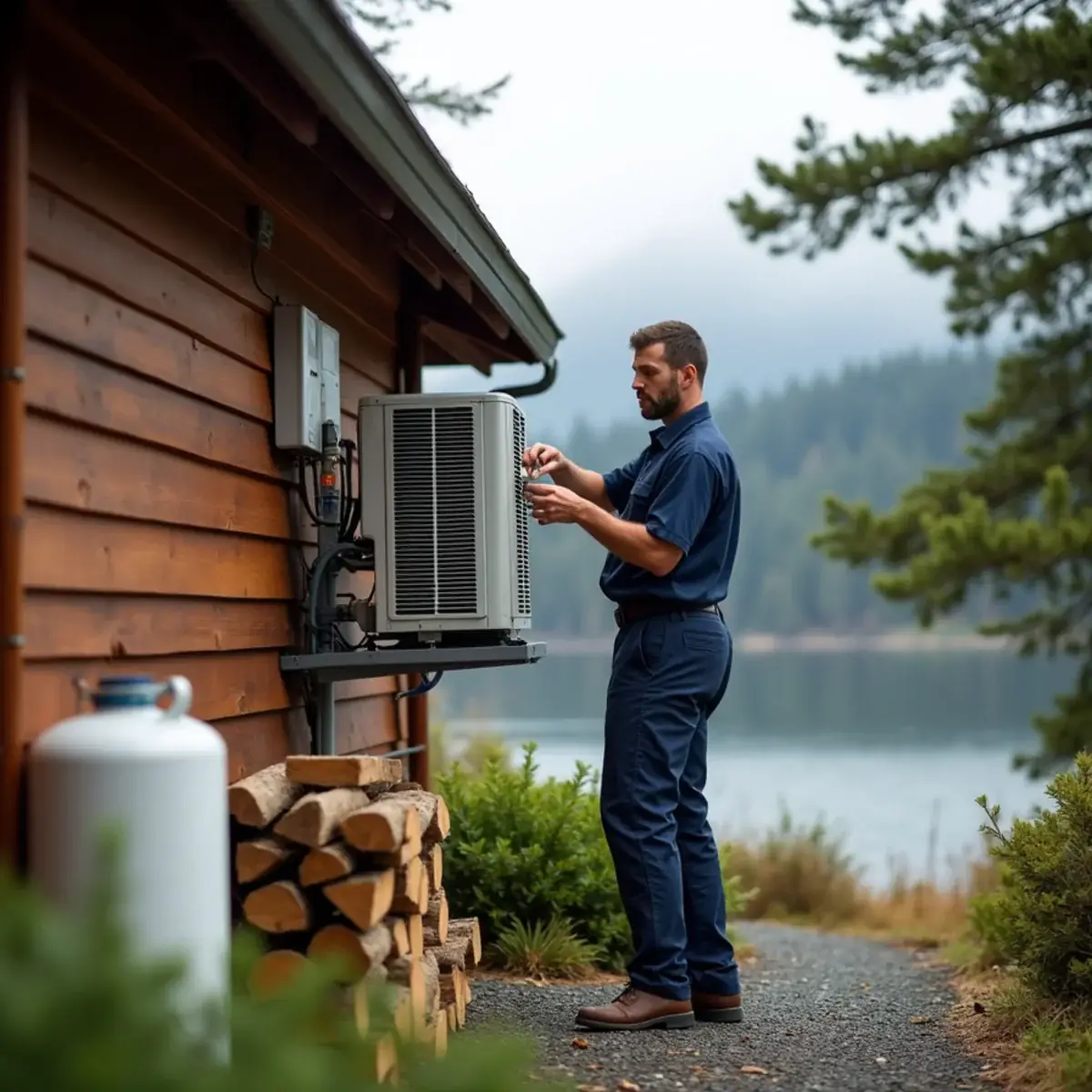
If you have a forced-air oil furnace, a ducted heat pump can often reuse the existing ducts. We check duct sizing carefully, because heat pumps move more air per unit of heat than oil furnaces, and undersized returns are common. In colder rural pockets, a cold-climate model with heat strips or a dual-fuel setup covers the few hard freezes. Regional planning ranges run about $9,500–$13,500 for a standard heat pump and $12,500–$16,500 for a cold-climate unit, before any duct or electrical work; a site visit sets the real figure. See our heat pump installation page for how we size these.
Oil to natural gas or propane
Switching to gas only makes sense if a gas main reaches your street, or if you’re comfortable with propane delivery. Cascade Natural Gas serves most of Kitsap and Mason County, so ask them whether a service extension is available at your address. A modern condensing furnace vents through the side wall in PVC, so the old oil chimney is usually retired. If a gas water heater will still use that chimney, it often needs a liner sized for the smaller appliance. Installed gas furnaces typically fall in a $6,500–$11,000 planning range; our furnace installation page explains the process.
If you have an oil boiler
Hydronic homes with radiators or baseboard loops don’t take a simple swap. Options include a gas or propane boiler, ductless heat pumps for the main living areas, or an air-to-water heat pump. We’ll talk through the trade-offs honestly.
The tank: decommissioning under Washington rules
Residential heating oil tanks aren’t covered by the federal underground tank program, but that doesn’t mean you can walk away from one. Local fire and building officials set requirements for taking a tank out of service, and the Washington Department of Ecology publishes guidance for homeowners. In practice there are two routes: remove the tank, or pump it, clean it and fill it in place with an inert material. Either way, use a contractor who decommissions tanks regularly, pull any required permit, and keep the paperwork for when you sell.
If testing during decommissioning shows a leak, cleanup and reporting become their own project. That’s where insurance matters.
Register with PLIA before you stop using the tank
Washington’s Pollution Liability Insurance Agency runs a heating oil program that can help pay for cleanup of leaks from registered tanks. Eligibility generally depends on the tank being registered while it’s still in active use, so register early, then confirm directly with PLIA how decommissioning affects your coverage before you schedule anything.
How we sequence a conversion
Order matters, because you don’t want a week without heat or a half-full tank you can’t use.
- Load calculation and duct or electrical assessment
- Choose the system and pull mechanical and electrical permits
- Confirm PLIA registration and any utility rebate eligibility
- Install the new heating system and verify it at startup
- Burn down or pump out remaining oil, then decommission the tank
- Remove the old furnace or boiler and seal abandoned flues
The rebate step deserves more than a checkbox. PSE electric customers have had heat pump paths, including income-qualified conversions, while Cascade Natural Gas runs its own gas-equipment rebates for homes going the furnace route. Confirm eligibility and qualifying models before anything is ordered, keep the incentive separate from the installed price, and read the APR, term and fees on any financing offer. Our heat pump installation cost guide breaks down typical budget ranges.
Reading an oil-conversion quote line by line
Ask for at least three written quotes, and expect each one to split the work into lines you can compare. The regional planning allowances below help you spot what a bid leaves out; final numbers still take a site visit.
- Equipment model numbers, plus the Manual J load, Manual D duct review and Manual S selection behind them
- Duct modifications, often a $1,000–$5,000 allowance where returns are undersized
- Panel work for a heat pump, roughly $1,200–$3,000 if an upgrade is needed, and heat strips or dual-fuel at $300–$1,500
- Gas piping to the furnace location if you switch to gas
- Removal of the old oil furnace or boiler, commonly $60–$350, and whether tank decommissioning is included or excluded
- Permits, startup testing and milestone payments tied to installation, inspection and closeout
From the field
Loose ends we find when pulling an oil system
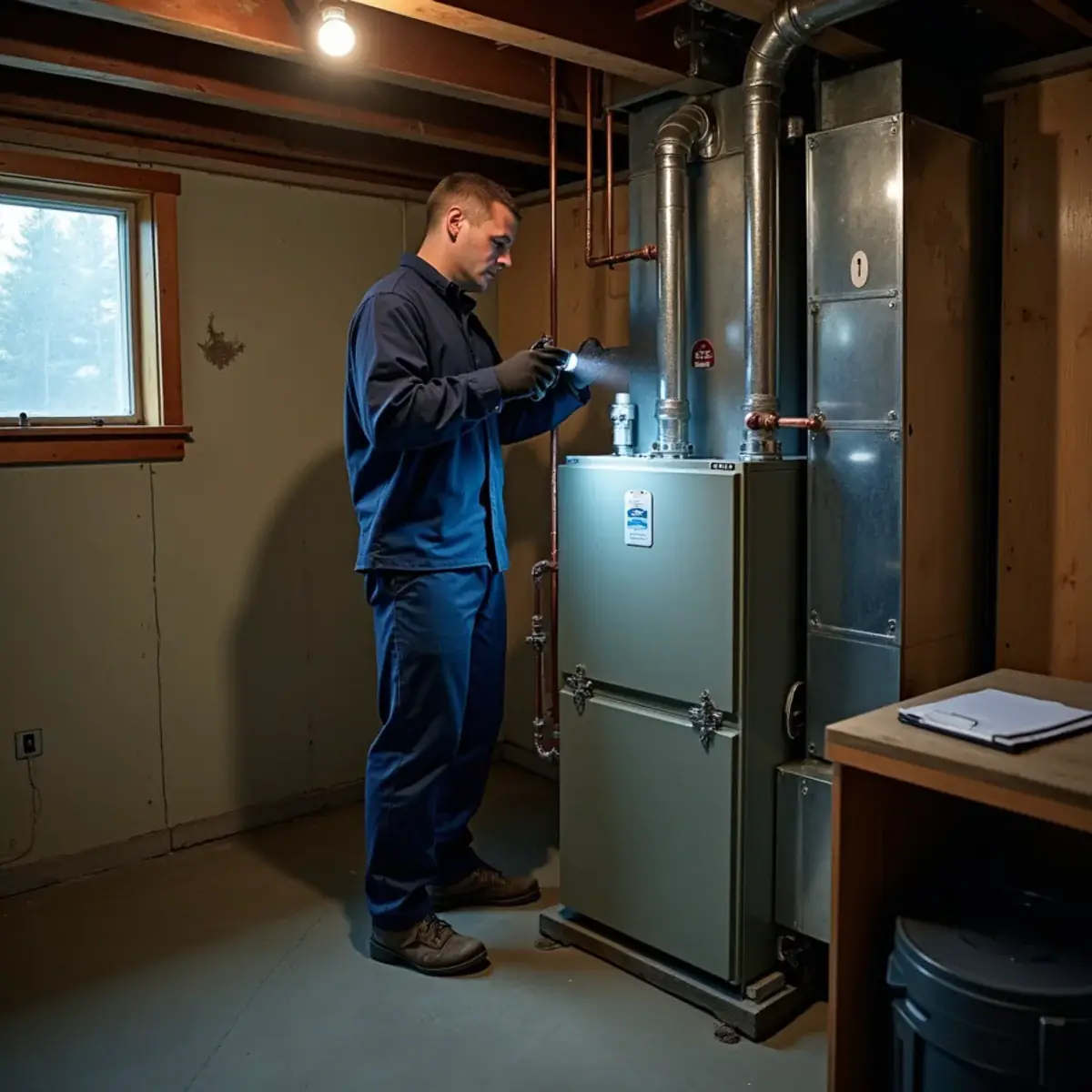
The first thing we check in an oil house isn’t the furnace. It’s the water heater. Many oil boilers also heat the household’s water, either through a coil inside the boiler or through a separate tank piped to it. Pull the boiler and the showers go cold, so a standalone water heater belongs in the plan and the budget from day one.
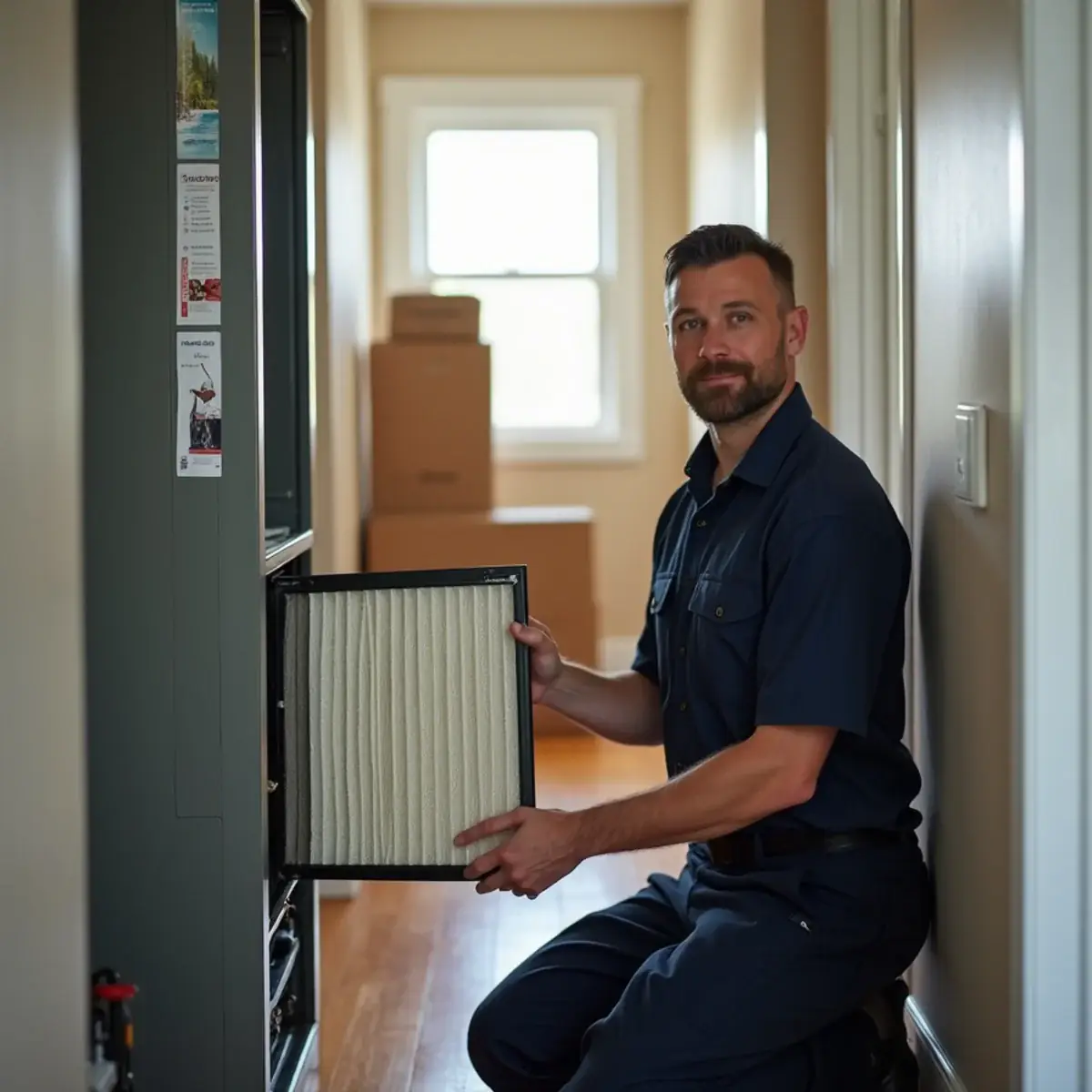
On forced-air oil systems we measure static pressure and temperature rise on the old furnace before quoting. Oil furnaces push very hot air through modest ducts; a heat pump delivers cooler air and needs more of it, so returns that were fine for oil often starve a heat pump. We also look inside the supply plenum. Decades of oil firing can leave a sooty film near the furnace, and air duct cleaning on those trunk lines before the new air handler goes in keeps that residue off a brand-new coil.
Outside, the fill pipe and vent pipe are easy to forget. If they stay in place after the tank is emptied, a delivery driver working from an old route can pump oil into a tank that is no longer in service. Removing or clearly capping both pipes should be written into the decommissioning scope. On rural lots around Belfair and Allyn where the tank sits well away from the house, ask where the buried supply line will be cut and capped too.
FAQ
Quick answers
Can I just leave my old oil tank in the ground?
Not simply abandoned, no. A tank taken out of service should be properly decommissioned, either removed or pumped, cleaned and filled in place, following local fire and building requirements. Keep the documentation. Buyers, inspectors and lenders commonly ask about oil tanks, and an undocumented tank can complicate a sale.
Is a heat pump or gas cheaper to run after leaving oil?
It depends on local utility rates, your home’s heat loss and whether gas even reaches your street. In our mild, damp climate a well-sized heat pump is usually very competitive, and it adds cooling. Gas can make sense where a main is already available. A load calculation and current rates give a real comparison.
Who handles the oil tank during a conversion?
Tank decommissioning is usually done by a contractor who specializes in it, coordinated with the heating installation. We plan the order so the new system is running before the tank is emptied, and we can point you toward the steps for permits, PLIA registration and records so nothing gets missed.
What should I verify about a contractor before an oil conversion?
Check the company’s Washington L&I contractor registration online and confirm the business name matches the quote and the payment recipient. Registered contractors carry a $15,000 specialty bond and liability insurance. For a heat pump, whoever handles refrigerant needs EPA Section 608 certification. If a separate company decommissions the tank, verify that firm too, and get its scope in writing.
How long does an oil-to-heat-pump conversion take?
Plan on a few working days for the installation itself on a typical ducted swap, and longer when duct changes, a panel upgrade or a boiler replacement are part of the job. Permits, equipment lead times and the tank contractor’s schedule add time around that. Where the new air handler takes the old furnace’s spot, expect a short gap in central heat, which is why spring and early fall are the easiest windows.
The bottom line
Leaving oil is one of the best long-term moves for an older Kitsap or Mason County home, but it goes smoother when equipment, tank and paperwork are planned together. If you want to read up on incentives first, our guide to Washington heat pump rebates is a good start, and our HVAC installation page covers full system replacements.
When you’re ready, we can walk the house, look at the ducts or radiators, and lay out a conversion plan that fits your property.
Sources & official references
- Washington Pollution Liability Insurance Agency: heating oil tank program
- Washington Department of Ecology: guidance for homeowners
- Puget Sound Energy: current rebates for electric customers
- Cascade Natural Gas: service availability and gas-equipment rebates
Programs, rules and fees change. Confirm current details with the source before you act.