Short answer
Salt air corrodes the outdoor coil where aluminum fins meet copper tubing, and shoreline units on the Hood Canal and Puget Sound often wear out years early. Protect yours with coastal-rated coil coatings, stainless hardware, a raised stand, lee-side placement that rain can still reach, and a gentle freshwater rinse every month or two in summer.
Living on the water in Kitsap has obvious rewards. Your outdoor HVAC unit doesn’t share them. Salt air HVAC corrosion is the main reason we see heat pumps and condensers on shoreline homes wear out years ahead of identical equipment a few miles inland.
The good news is that most of that damage is slow and predictable, which means it can be slowed down. We service a lot of waterfront homes along Hood Canal in Seabeck and on the Rich Passage side of Manchester, and the same few habits make the biggest difference.
How salt air HVAC corrosion actually happens
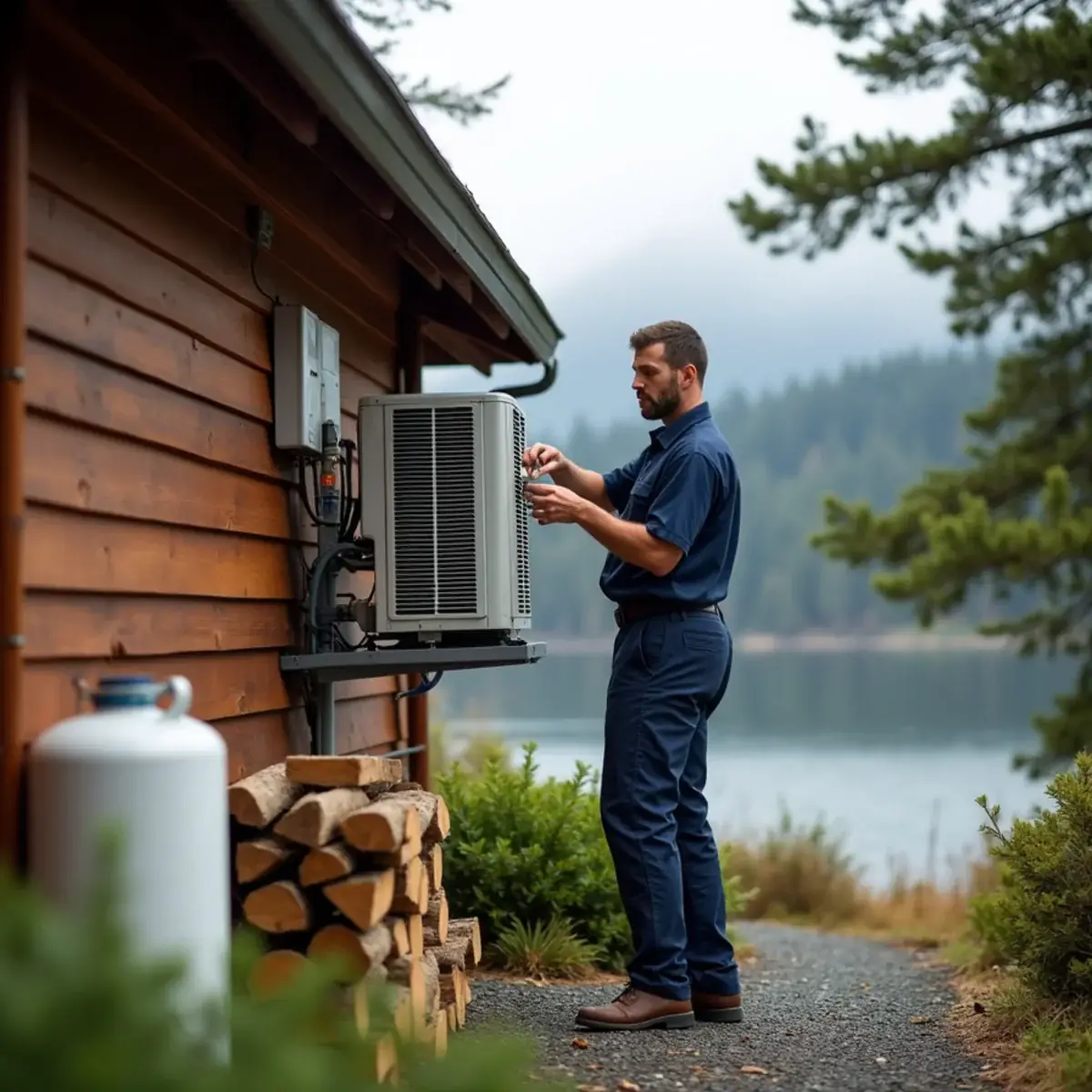
Wind and spray carry fine salt particles that settle on the outdoor coil. Those fins are thin aluminum bonded to copper tubing, and salt plus constant moisture creates a galvanic reaction where the two metals meet. The fins turn chalky, lose contact with the tubes and stop transferring heat. Eventually the tubing itself pits and starts leaking refrigerant.
The worst exposure isn’t always the unit closest to the beach. Equipment tucked under a deep eave or behind a bulkhead never gets rinsed by rain, so salt builds up season after season. A unit in the open on a windward bluff gets more spray but also more natural washing.
Warning signs on a shoreline unit
Walk out and look at your outdoor unit a couple of times a year. These are the signs we look for first:
- White or gray powder on the fins, or fins that crumble when lightly brushed
- Rust streaks on cabinet screws, the base pan or the fan guard
- A rusted disconnect box or a door that no longer closes, which can let water reach live terminals
- Pitted or green contactor terminals inside the electrical panel
- Longer run times, weaker heat, or frequent defrost cycles that weren’t there before
Choosing equipment for the waterfront
If you’re replacing equipment on a shoreline lot, a few choices up front pay off for the life of the system.
- Coastal-rated coil protection. Many manufacturers offer factory-applied coatings or corrosion-resistant coil options. Ask for them by name before the order is placed.
- Stainless or coated hardware. Stainless fasteners, a nonmetallic or stainless disconnect and a UV-rated whip hold up far better than bare steel.
- Sheltered but rinsable placement. The lee side of the house cuts direct spray, as long as the unit isn’t buried where rain can’t reach it.
- A raised pad or stand. Getting the unit off the ground keeps the base pan out of splash, standing water and blown sand.
Get those coastal choices written into the quote. Each proposal should name the coil protection option, list the stand and fastener materials, and give model numbers for the outdoor unit and indoor equipment, so competing bids can be compared line by line. Ask where defrost meltwater will go, too. A heat pump sheds water from its base pan all winter, and on a shoreline lot that water should drain away from the foundation and off any path where it could freeze. Our heat pump installation page explains how we plan placement.
A maintenance routine that actually works near saltwater
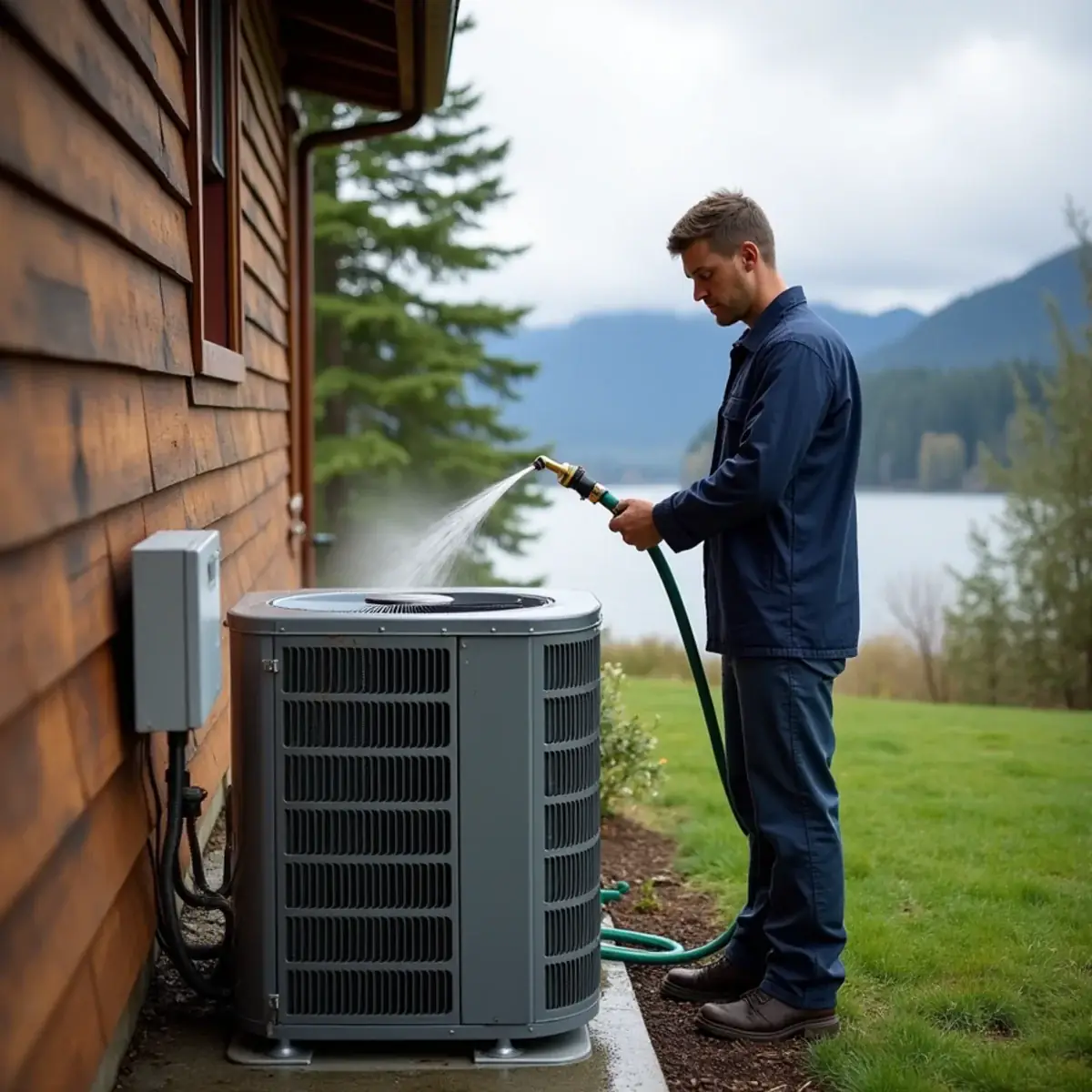
Regular fresh-water rinsing is the single cheapest thing you can do. Winter rain helps, but summer and early fall are dry, and that’s when salt accumulates. We suggest a rinse every month or two from June through September, plus after any big windstorm off the water.
Rinsing coils the right way
Done carelessly, rinsing can bend fins or push water into electrical parts. Keep it gentle:
- Turn the unit off at the thermostat and the outdoor disconnect first
- Use a garden hose with a soft shower setting, never a pressure washer
- Spray straight into the fins, top to bottom, until runoff looks clear
- Skip household cleaners; if the coil needs chemical cleaning, have a tech use a product rated for it
- Wait a few minutes before restoring power
What a professional visit adds
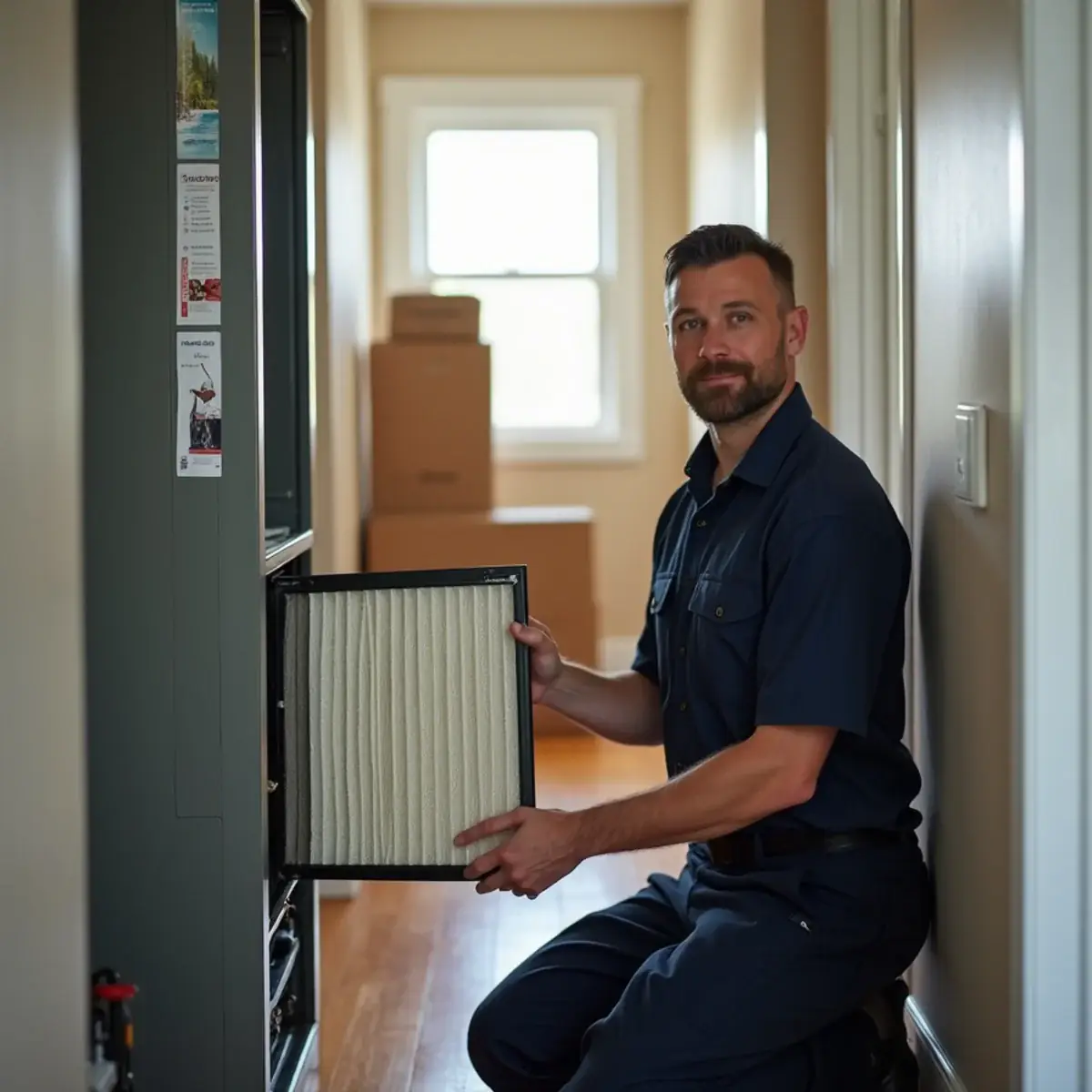
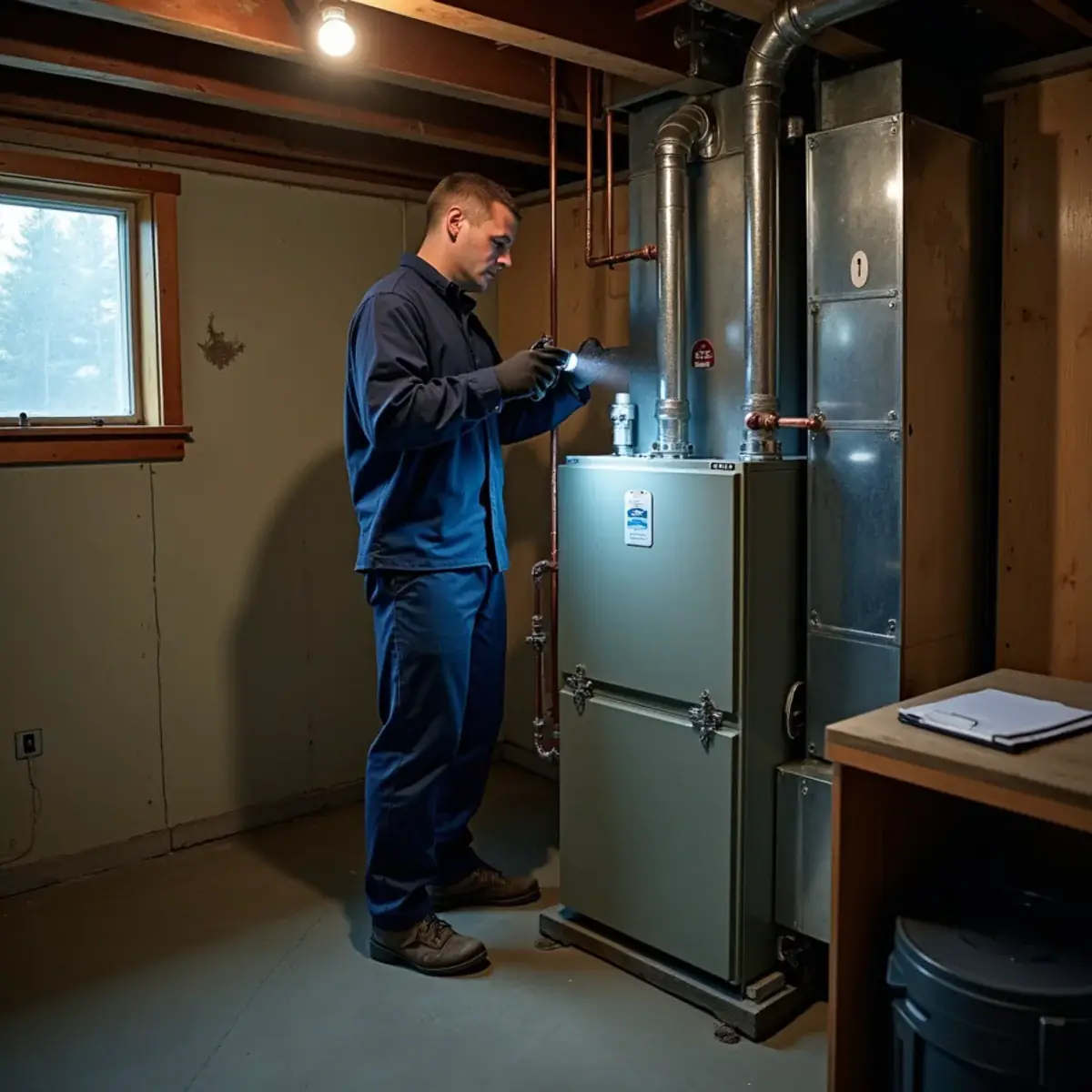
A shoreline tune-up should include a close look at the electrical compartment, contactor, capacitor and disconnect, plus tightening terminals, checking refrigerant performance and treating vulnerable connections where appropriate. Our HVAC maintenance visits add these checks for waterfront homes.
Repair or replace a corroded unit
Electrical corrosion is usually fixable: a new contactor, capacitor or disconnect is routine work. A leaking coil is different. Once salt has pitted the tubing, patching one leak often just moves the problem to the next weak spot. We’ll give you an honest read on whether a heat pump repair makes sense or whether the coil has reached the end of its life.
Before any repair visit, photograph the model and serial plates, the chalky fins and any rust on the disconnect. Those photos help a technician check parts availability and leave you a record if the unit is replaced later. When a coil leak is confirmed, refrigerant must be recovered by a technician certified under EPA Section 608, so ask for refrigerant handling as its own line on the written option. Outdoor units for a ductless mini-split take the same beating, since they use similar fin-and-tube coils.
From the field
Reading a shoreline coil before it starts leaking
On a waterfront call we pull the top panel before we touch the gauges. Salt tends to pack into the inner rows and the windward face of the coil, so an outside that looks fine can hide fins that flake away under light finger pressure. We photograph both coil faces and the electrical compartment with dates, which lets us compare the same coil at the next visit instead of guessing how fast it’s going.
Refrigerant readings tell the rest. A coil losing fin contact shows up as rising head pressure in summer and longer defrost cycles in winter, well before a leak appears. When the numbers drift from the last visit’s record, it’s time to plan a replacement budget, not to panic.
Some popular fixes deserve an honest caveat. Field-applied coatings help most on a clean, nearly new coil; sprayed over chalky fins they seal the damage in. All-aluminum coils avoid the copper-to-aluminum joint where salt does its worst work, but they are harder to repair in the field. A fence or hedge can break spray on an exposed bluff near Hansville or Southworth, as long as it leaves the clearance the manufacturer lists; a solid wall set too close sends discharge air straight back into the coil. We don’t treat bolt-on sacrificial anodes as a substitute for rinsing. Our heat pump maintenance guide covers the rest of the seasonal routine.
FAQ
Quick answers
How close to saltwater does corrosion become a problem?
There’s no hard line, but units within a few hundred yards of open water and facing the prevailing wind take the most punishment. Homes up to a mile or so inland can still see accelerated wear. If your car or patio furniture shows rust faster than expected, assume your outdoor unit is getting the same exposure.
Can I pressure wash my heat pump to remove salt?
No. A pressure washer flattens the thin aluminum fins and can force water into the electrical compartment. A garden hose on a gentle shower setting, with the power off at the disconnect, removes salt without damage. If the coil is heavily fouled, have a technician clean it with a product rated for coils.
Are coastal coil coatings worth the extra cost?
For homes right on the water, usually yes. A factory corrosion-resistant coating or coil option slows the fin and tube damage that ends most shoreline units early. It doesn’t replace rinsing and regular maintenance, but together they can meaningfully extend equipment life compared with a bare coil in the same spot.
Should I cover my outdoor heat pump to keep salt spray off?
Not with a full wrap. A heat pump runs through the winter and needs open airflow across the coil, and a tight cover traps moisture and salt against the metal. On a cooling-only condenser, a breathable top cover in the off season is less risky, but take it off before startup. Rinsing through the dry months and smart placement protect the coil far better than any cover.
Can a protective coating be added to an outdoor coil that’s already installed?
Yes, field-applied coil coatings exist, and they work best on a coil that is new or still clean and straight. The coil has to be deep-cleaned and fully dry first, and the coating must reach the fin edges and tube joints to help. On a coil that is already chalky or pitted, a coating seals the damage in rather than stopping it, so that money is often better spent on coastal-rated equipment at replacement.
The bottom line
Salt will always win eventually, but you control how quickly. Rinse through the dry months, keep the electrical side sealed and serviced, and choose coastal-ready equipment when it’s time to replace.
If your shoreline unit is showing chalky fins or a rusted disconnect, we’re glad to take a look and tell you what can be saved.
Sources & official references
- EPA Section 608: refrigerant handling and technician certification
- U.S. Department of Energy Energy Saver: heat pump operation and maintenance
- Washington L&I: contractor registration requirements
Programs, rules and fees change. Confirm current details with the source before you act.