Short answer
Furnace installation in Bremerton, WA covers more than setting a new cabinet. We size the furnace from a Manual J heat loss, plan the venting and gas connection, test combustion and airflow at startup, and pull the mechanical permit, for gas and electric furnaces, first-time gas conversions and garage installs alike.
A furnace is simple equipment that’s easy to install badly. Our furnace installation in Bremerton, WA work focuses on the parts that decide safety and lifespan: venting, gas pressure, combustion testing and airflow through your existing ducts.
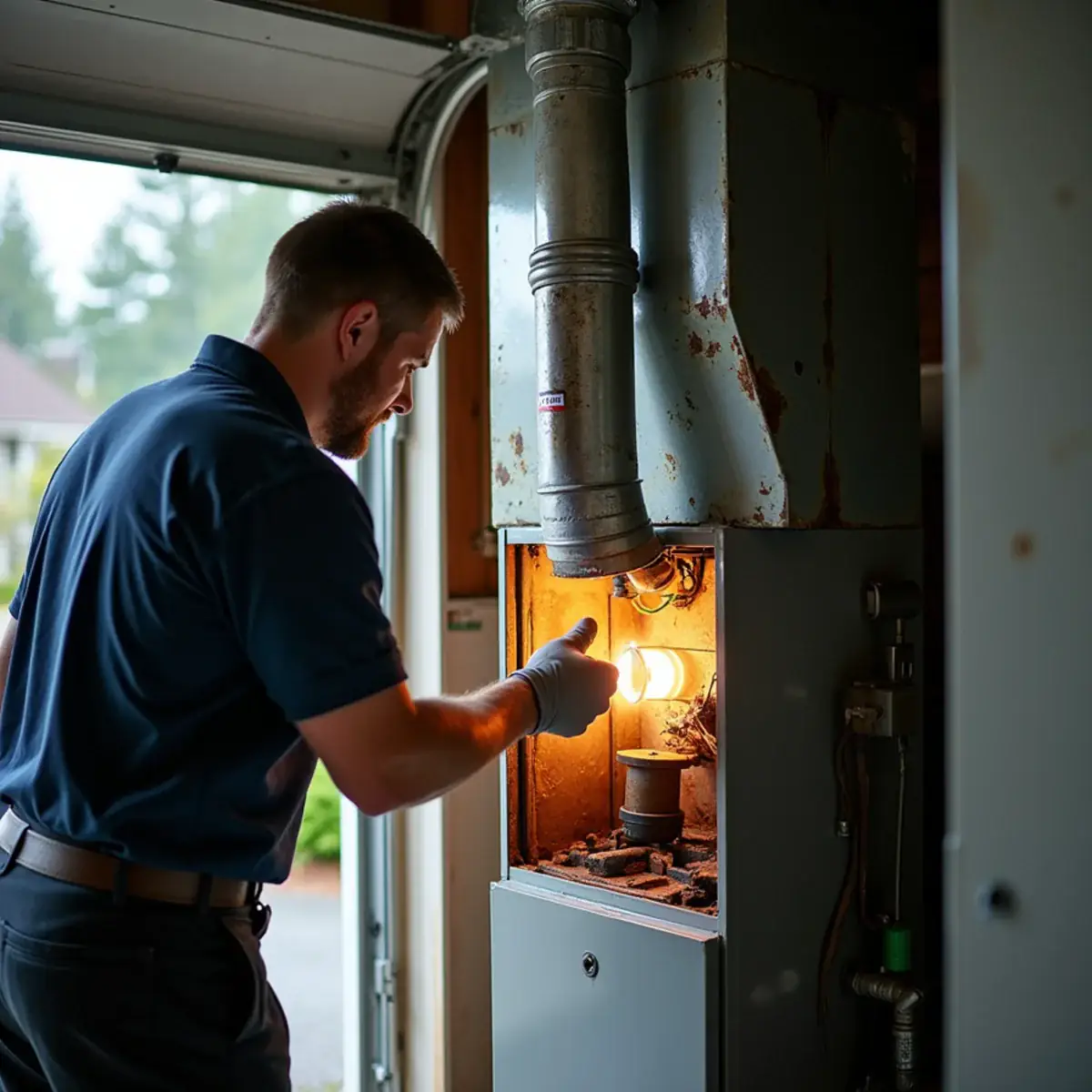
Many Kitsap homes still heat with gas furnaces tucked in crawl spaces, closets or garages, often original to houses built in the ’60s and ’70s. Replacing one is rarely a straight swap. Condensing furnaces need new PVC venting and a drain, closet installs have clearance rules, and older ducts may not match modern blowers.
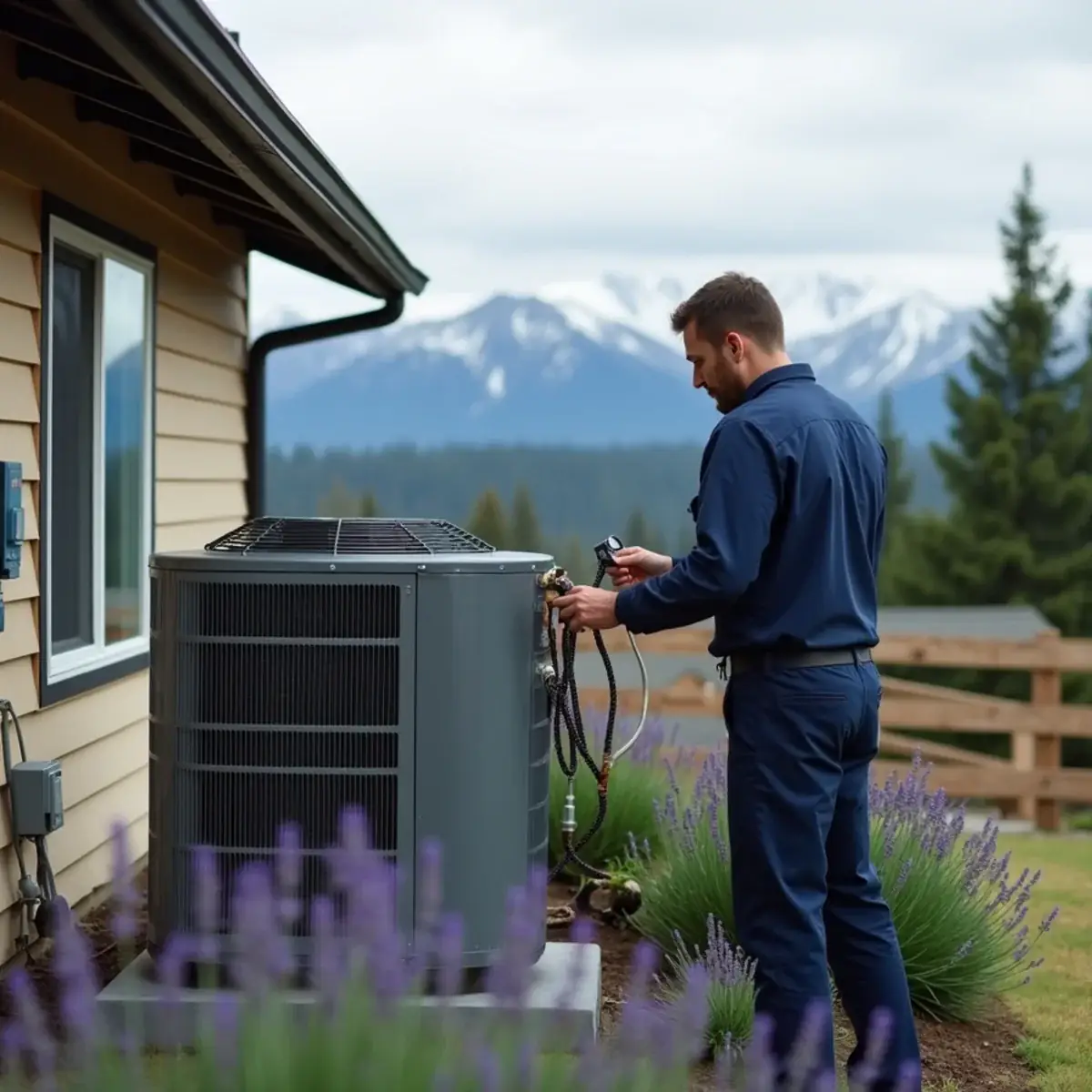
If your current furnace is limping along, our guide on whether to repair or replace an old furnace is a good first read. And if a heat pump could do the job instead, our comparison of heat pumps vs. gas furnaces in the Pacific Northwest lays out the trade-offs.
Reviewed · regional price ranges and rebate details are rechecked at each update.
Reasons Bremerton owners replace a furnace
Most furnace replacements we do start with one of these:
Cracked heat exchanger
A crack can let combustion gases mix with house air. On an older furnace, replacement is usually the only sound fix.
Repeated breakdowns
Frequent calls for furnace repair on a unit past 18–20 years add up fast.
An old 60–80% efficiency unit
Moving to a 95%+ AFUE condensing furnace cuts gas use noticeably.
Switching from electric heat to gas
Homes with a new gas main on the street often convert from an electric furnace or baseboards.
Uneven heat and noise
Loud blowers and hot-cold rooms often trace back to an oversized unit or a mismatched duct system.
What’s included in a furnace installation from us
Whether it’s a crawl space swap or a first-time gas conversion, this scope is written into every furnace quote we hand you.
Heat loss report
The room-by-room Manual J result and the Btu/h output we selected against it, printed for your records.
Venting and combustion-air plan
Sealed PVC intake and exhaust for a condensing unit, or an inspected metal vent for an 80% model, with terminations clear of windows, soffits and the meter.
Gas connection
A new appliance shutoff, sediment trap and connector, followed by a documented leak test at every joint we touched.
Condensate drain
Routed to a floor drain or pump, with insulation or heat tape wherever it passes through a cold garage or crawl space.
Filter cabinet and sealed return
A filter rack sized for the blower and return ducts reconnected and sealed, so the furnace never draws air from the garage or crawl space.
Startup and safety testing
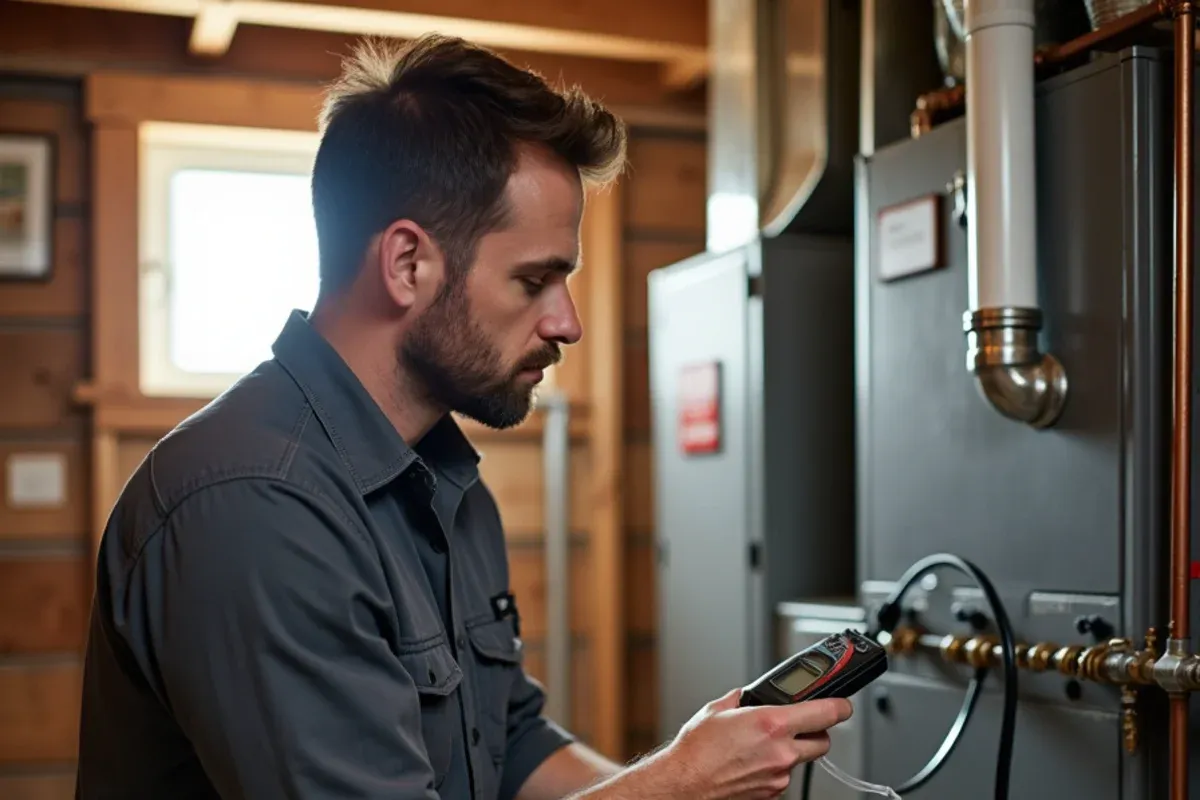
Manifold gas pressure, temperature rise, static pressure, draft or flue-gas readings, and a carbon monoxide check at the supply registers.
Permit, inspection and haul-away
Mechanical permit pulled, the old furnace removed and disposed of, and the final inspection booked once the install is done.
Our furnace installation steps
Every furnace install covers the same checkpoints:
- 1
Sizing
A Manual J heat loss sets the Btu input, instead of copying the old nameplate.
- 2
Venting plan
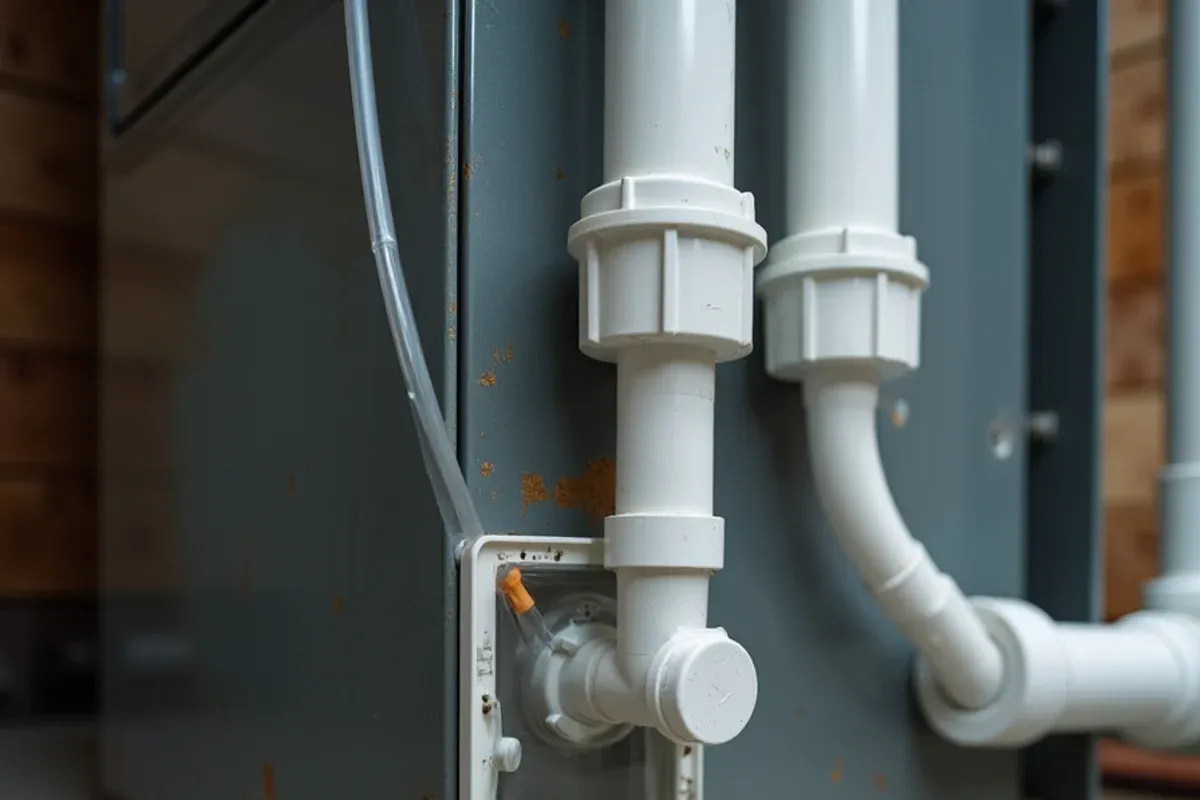
Condensing furnaces get sealed PVC intake and exhaust. Older chimney-vented water heaters may need a liner once the furnace leaves the flue.
- 3
Removal and placement
Old equipment out, new furnace set level on a proper base with service clearance.
- 4
Gas and electrical
New shutoff, sediment trap and leak test, plus a correctly wired disconnect.
- 5
Combustion and airflow testing
We measure gas pressure, temperature rise, static pressure and combustion to confirm safe operation.
- 6
Permit and inspection
We pull the Bremerton mechanical permit and schedule the final inspection.
Sizing is the first of three checks. Manual S picks the furnace by output, not input: a 60,000 Btu/h furnace at 96% AFUE delivers more heat than the same input at 80%, so copying the old input oversizes the new unit. Manual D then confirms the ducts can carry the blower’s airflow without pushing temperature rise out of range.
What affects the cost of a new furnace
Regional planning figures put an installed gas furnace around $6,500–$11,000, and a full furnace-and-AC system around $12,000–$17,500. Where your project lands depends on:
- Efficiency and blower type
- A 95%+ AFUE variable-speed furnace costs more than a single-stage unit but runs quieter and more evenly.
- Venting changes
- New PVC runs, side-wall terminations and water heater venting adjustments add labor.
- Location
- Crawl space and attic installs take longer than a basement or garage swap.
- Gas piping
- Conversions and relocations may need new pipe from the meter.
- Ductwork fixes
- Undersized returns or damaged crawl space ducts may need an allowance.
These ranges are for planning only and aren’t our prices. Permit line items in Bremerton are small, but the final price requires a site visit to see venting, access and gas service.
Electric-to-gas conversions
Plenty of Bremerton homes were built with electric furnaces or baseboards, and owners convert when gas reaches the street. The process has three parts: the gas utility (Cascade Natural Gas in most of Kitsap) brings service and sets a meter, we run gas piping from the meter to the furnace and any other appliances, and then the furnace, venting and ducts go in.
Baseboard homes also need ductwork, which is the biggest variable. In some houses a crawl space makes that easy; in others a heat pump or ductless system is the better call. We lay out both paths side by side, and many owners in Chico and Rocky Point end up choosing based on that comparison.
Oil-to-gas conversions add one job: the old tank. Decommissioned in place or removed, it belongs on its own quote line, and your insurer may want documentation. Our notes on moving off oil heat in Kitsap and Mason counties cover the tank side.
Garage furnaces and other tight spots
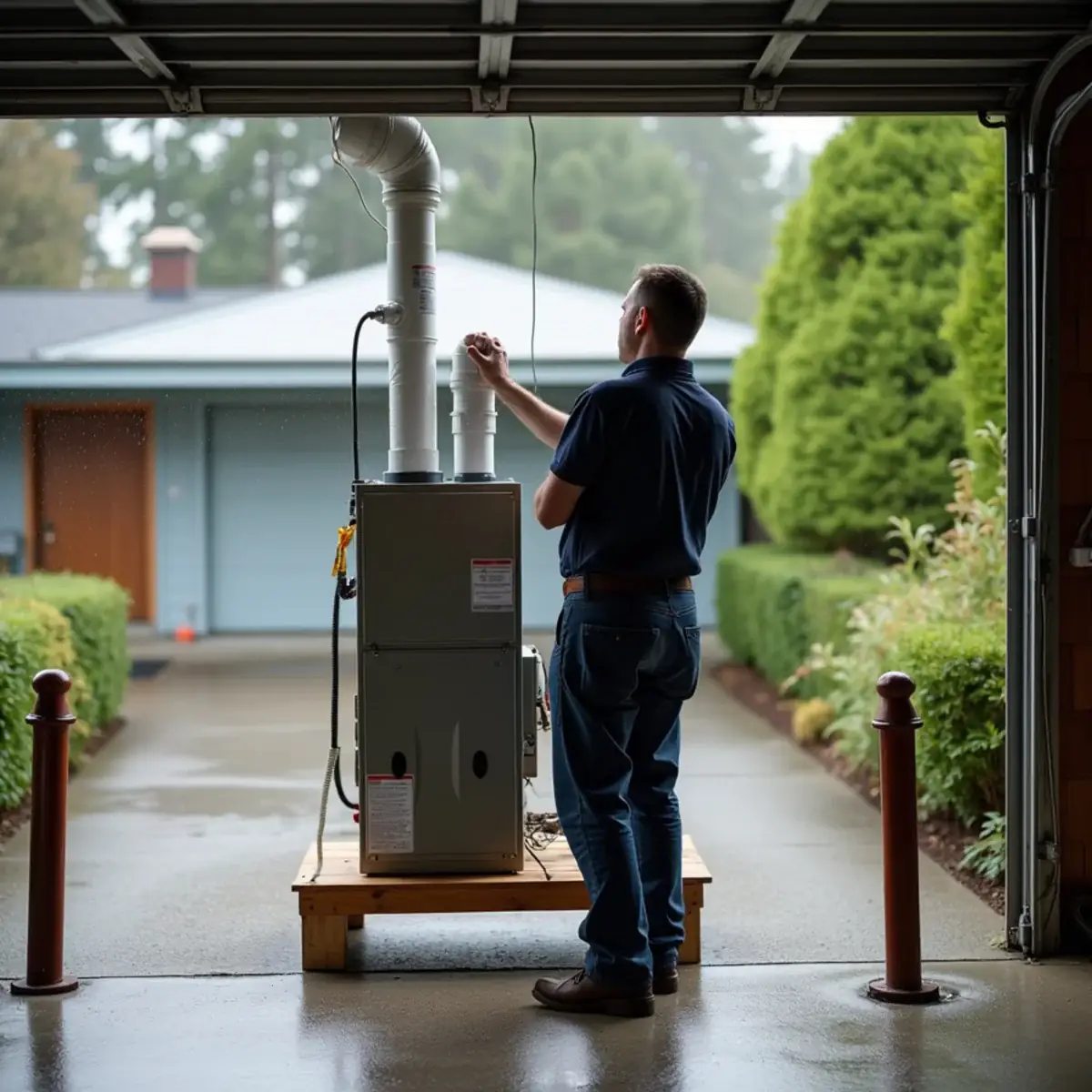
Garage installs are common across Kitsap, especially in split-levels and ramblers from the ’60s and ’70s. Code requires gas appliances with ignition sources to sit at least 18 inches above the garage floor unless listed otherwise, and the unit must be protected from vehicle impact. Return air can never be drawn from the garage.
We find plenty of older garage furnaces that fail one of those rules, and correcting it is part of any replacement we do. Closet and crawl space furnaces have their own clearance and access rules, and we plan around them before quoting. Homes in Port Orchard and across South Kitsap share many of these layouts. For full-system projects, see our HVAC installation and replacement service.
Furnace quote checklist: venting, AFUE and chimney liners
Compare at least three written quotes on the details that decide combustion safety, not the brand. On a garage furnace in a Manette split-level or a Wheaton crawl space, these lines differ most:
- AFUE and input rating, plus blower type: single-stage, two-stage or variable-speed
- Venting path: PVC routing and where terminations land relative to windows, doors and the gas meter
- Chimney liner: whether a gas water heater left on the old flue gets a liner, and whether it is priced (see water heater service)
- Condensate drain: where it runs, and freeze protection for garage or crawl space installs
- Gas work: shutoff, sediment trap, any new piping and a documented leak test
- Combustion and CO readings recorded at startup and left with you
- Permit: Bremerton’s 2026 schedule lists $14.80 for a furnace up to 100,000 Btu/h, a fee line rather than the project total
- Warranty registration: who registers the furnace, and what maintenance keeps coverage valid
Why Kitsap families call us for furnace installation
A furnace burns fuel inside your house. The choices that keep that safe are the same ones that decide how long the new unit lasts.
Repair first when repair is right
A dead furnace in January isn’t automatically a replacement. Our no heat repair visit finds the failed part first, and a replacement quote only follows when the heat exchanger, venting or age makes repair a poor bet.
Combustion readings in writing
Gas pressure, draft and flue-gas numbers are recorded at startup and left with you, not just a note that the burner lit.
Gas piping, venting and appliances by one crew
The furnace, the pipe from the meter and any water heater or gas fireplace sharing the vent are handled together, so an orphaned flue or undersized line doesn’t slip through.
Local code habits built in
Raised garage platforms, impact protection, sealed returns and Cascade Natural Gas meter timing are routine for us, not surprises found at inspection.
FAQ
Furnace Installation questions from Bremerton homeowners
Should I choose an 80% or 95% efficiency furnace?
In Western Washington’s long heating season, a 95% or higher condensing furnace usually makes sense. It needs PVC venting and a condensate drain, which can add cost in some locations. An 80% unit can still fit homes where venting changes would be difficult. We price both when the choice isn’t obvious.
Can my new furnace go in the same spot as the old one?
Usually, yes. The exceptions are garage furnaces that aren’t raised or protected to current code, closet installs with too little clearance, and crawl spaces where a condensing furnace can’t drain properly. If the existing spot won’t work safely, we’ll explain why and propose the simplest alternative.
Does converting from electric to gas require the gas utility?
Yes. Your gas utility — Cascade Natural Gas in most of Kitsap County — has to install the service line and meter before any appliance can run on gas. We coordinate timing with you so the furnace installation follows the meter set. Utility lead times vary, so start that request early. We handle the house piping, furnace, venting and permit.
What happens to my water heater if I replace a chimney-vented furnace?
If a gas water heater shares the chimney with the old furnace, removing the furnace can leave the flue too large for the water heater alone, which causes poor draft. We check this on every job and may recommend a chimney liner or a different venting path so the water heater vents safely.
What should I do if I smell gas after a new furnace is installed?
Treat it as an emergency. Do not flip switches, light anything or hunt for the leak. Get everyone out of the house, then from outside call 911 or the Cascade Natural Gas emergency line in Kitsap or Mason County. Once the utility or fire department says it is safe, call us so the gas connections and venting are rechecked and the leak test repeated before the furnace runs again.
Should I replace my furnace before it fails?
If it is past 18 to 20 years, keeps needing repairs or failed a combustion check, yes. Plan the swap for early fall, before the first cold snap, or for spring. A planned replacement lets you compare quotes, fix venting or garage-clearance problems and weigh a furnace against a heat pump. A furnace with a cracked heat exchanger should not run while you wait.
How long does a furnace installation take?
A like-for-like gas furnace swap in a garage or basement often finishes in a single day. Crawl space and attic installs, new PVC venting, a chimney liner for the water heater or new gas piping can stretch it to two days. Electric-to-gas conversions also wait on the utility meter set. The city inspection follows the install, and we tell you ahead of time when the heat will be off.
Is an electric furnace still worth installing?
Sometimes, but rarely as the whole answer. An electric furnace is inexpensive and simple, yet it heats with resistance, the costliest way to warm a house on electricity. In most Kitsap homes with ducts, a heat pump paired with that air handler costs far less to run. An electric furnace can still make sense for a small, tight home or as the backup half of a heat pump system.
Gas furnace installs in South Kitsap, North Kitsap and Mason County
Garage and crawl space furnaces from the ’60s and ’70s are common in East Port Orchard and Parkwood, and replacing one there usually means correcting platform height, return air or venting at the same time. Homes around Brownsville and lake houses near Erlands Point and Kitsap Lake often tuck the furnace into a closet or attic, where service clearance can decide the model.
Across Mason County, where Cascade Natural Gas is also the gas utility, oil-to-gas conversions are a regular job, with the old tank handled before the new furnace fires.
We provide furnace installation across Bremerton and nearby communities, including:
- Furnace Installation in Kitsap County
- Furnace Installation in Port Orchard
- Furnace Installation in Silverdale
- Furnace Installation in Chico
- Furnace Installation in Erlands Point-Kitsap Lake
- Furnace Installation in Navy Yard City
- Furnace Installation in Rocky Point
- Furnace Installation in Tracyton
- Furnace Installation in Enetai
- Furnace Installation in East Port Orchard