Short answer
HVAC maintenance in Bremerton, WA is a scheduled inspection, cleaning and measurement visit for your furnace, heat pump, mini-split or gas fireplace, best done before heating season and again before summer. We test the safety controls, clean what our damp climate fouls, record the readings and leave a written report. Any repair is quoted separately and only done with your approval.
Most of the no-heat calls we run in November trace back to something a tune-up would have caught in September: a cracked igniter, a dirty flame sensor, a clogged condensate trap. That’s the practical case for HVAC maintenance in Bremerton, WA. It turns a midwinter emergency into a scheduled part swap.
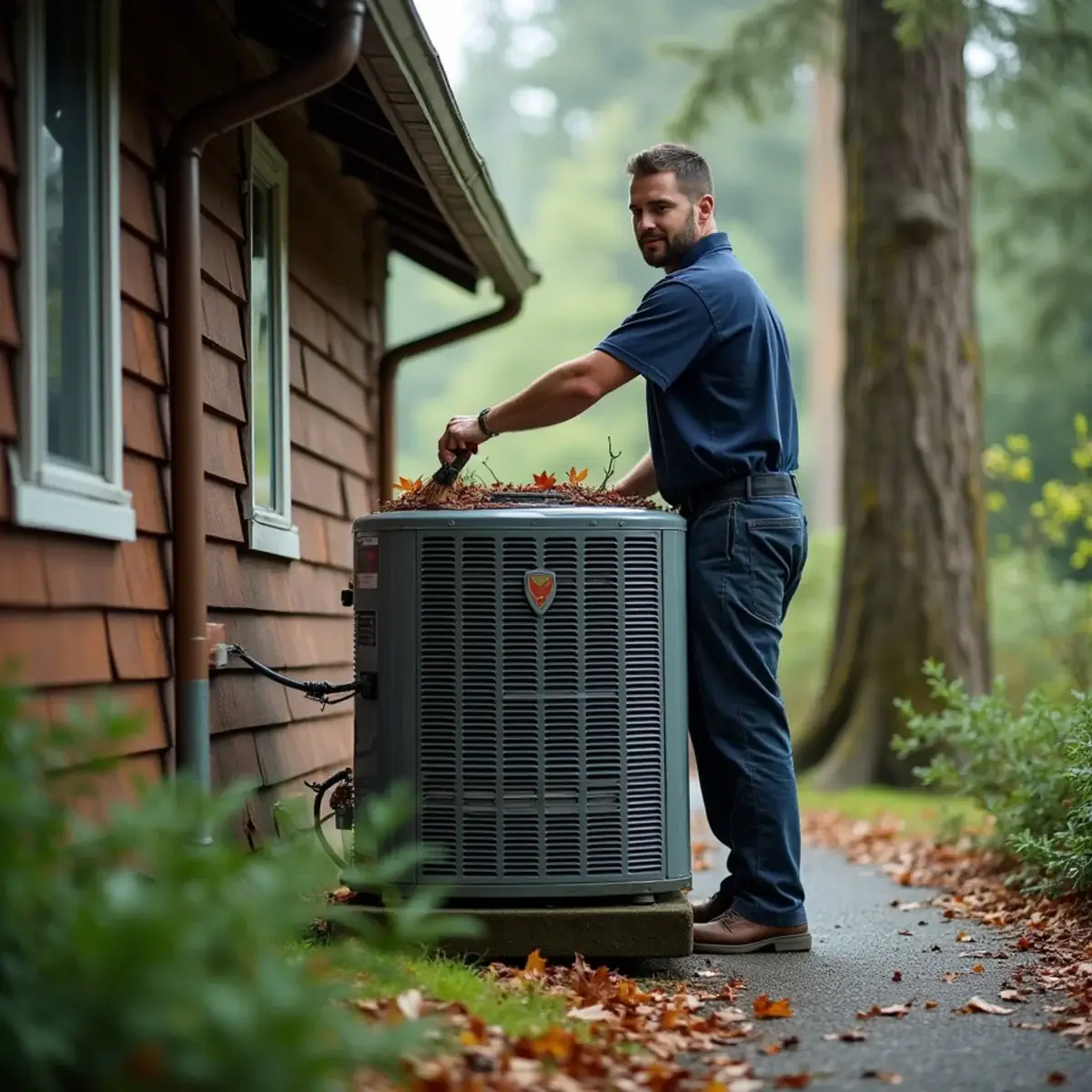
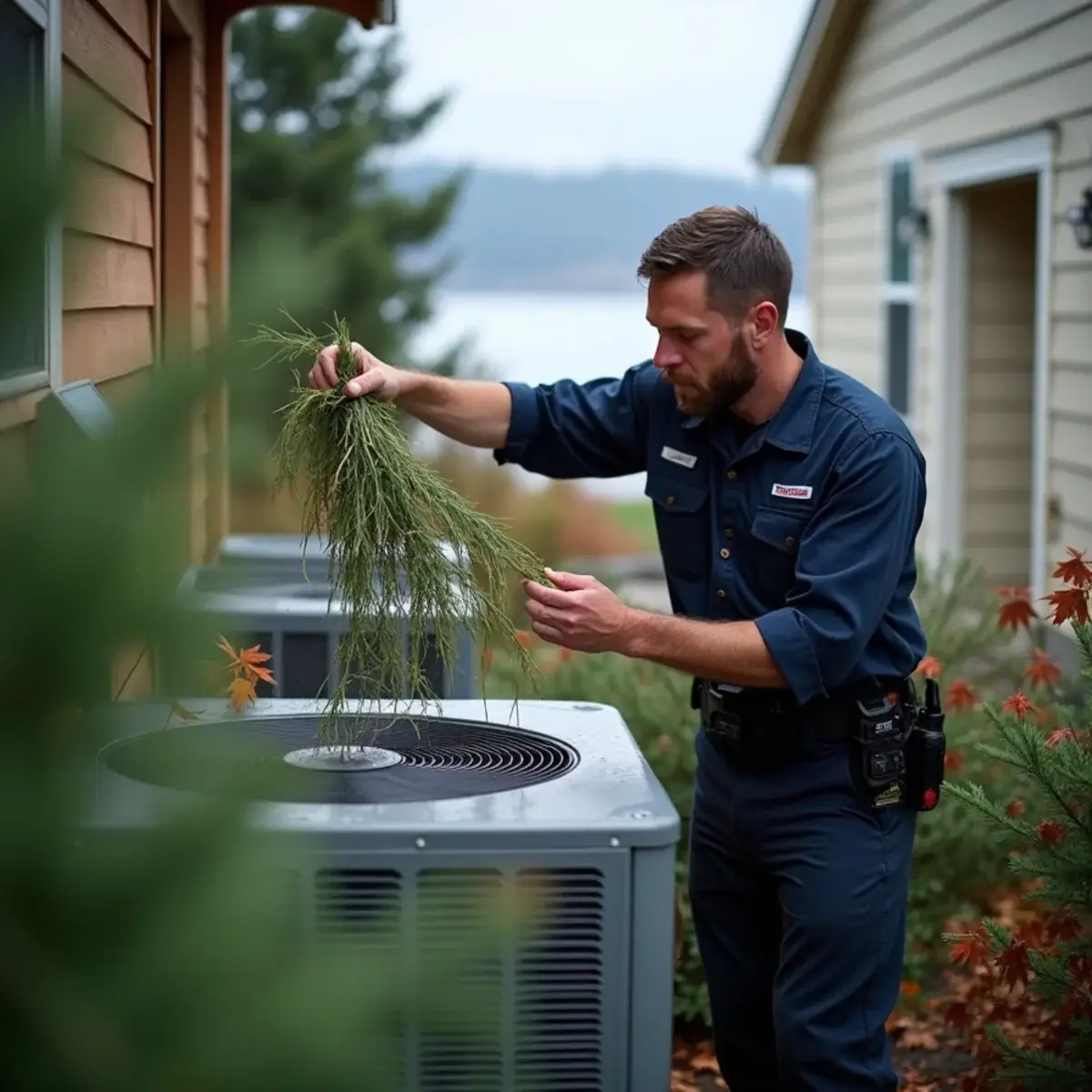
Our climate adds its own wear. Constant moisture corrodes electrical connections, crawl space ducts collect condensation, and outdoor coils fill with moss, fir needles and maple leaves. Homes near the water in Manette and along Port Washington Narrows also deal with salt air, which eats aluminum fins and copper.
We don’t use tune-ups to hunt for upsells. You get a written checklist of what we tested and measured, plus an honest note on anything that needs attention now versus later.
Reviewed · regional price ranges and rebate details are rechecked at each update.
Signs your system is overdue for service
Book maintenance soon if you notice any of these:
Higher bills with no change in use
Dirty coils, filters and blowers make every system work harder.
Short cycling
Frequent on-off cycles often point to an overheating furnace or a dirty sensor.
A heat pump that stays iced over
Ice that doesn’t clear after defrost usually means airflow, charge or sensor issues.
A gas fireplace pilot that won’t stay lit
Usually a weak thermocouple or thermopile, which is best caught before the season.
Musty smell when the heat starts
Often mold on a coil or moisture in crawl space ducts.
What’s included in an HVAC maintenance visit
A tune-up should leave you with evidence, not just a sticker on the cabinet. Here is what each visit delivers, adjusted to the equipment you have:
Combustion and CO testing
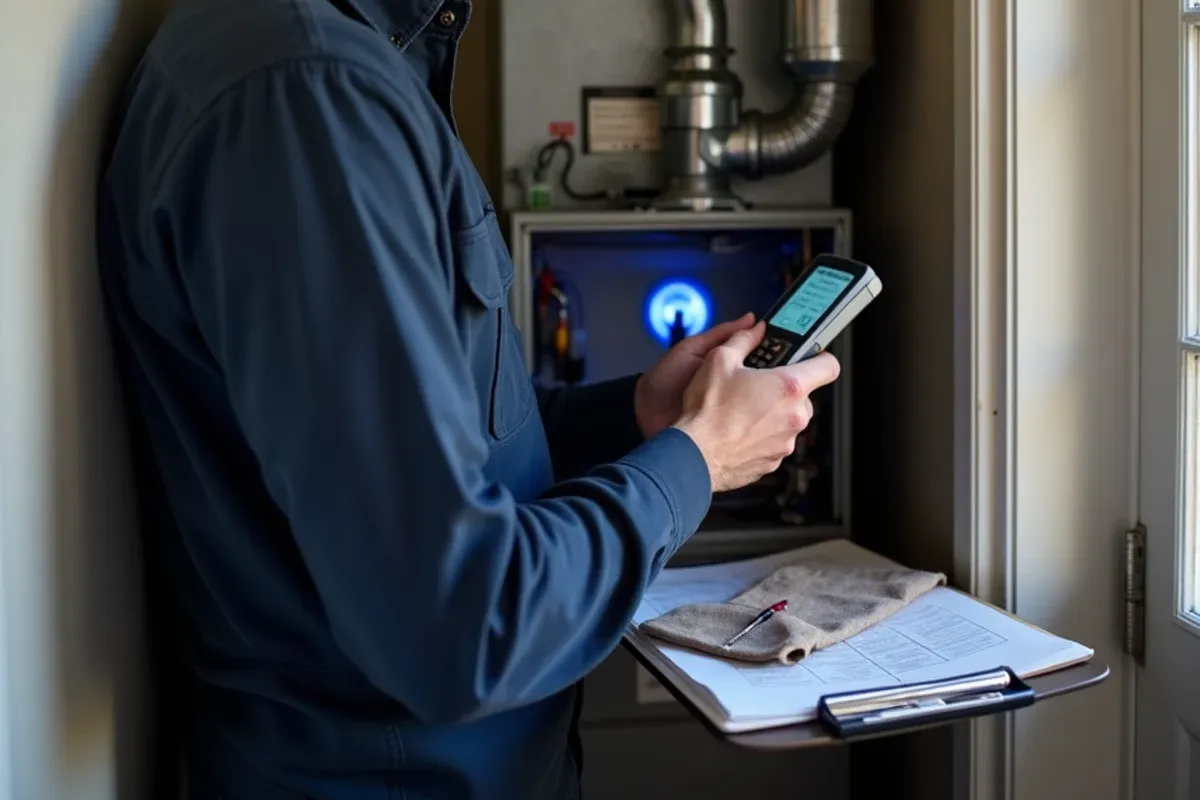
On gas equipment we sample flue gas with a combustion analyzer, check ambient CO at the appliance and inspect the vent connector and termination. A burner that lights isn’t proof it burns safely.
Electrical readings
Capacitor values against their rating, contactor wear, blower and compressor amp draw, and tightening of terminals that corrode in damp crawl spaces.
Cleaning where the season fouled it
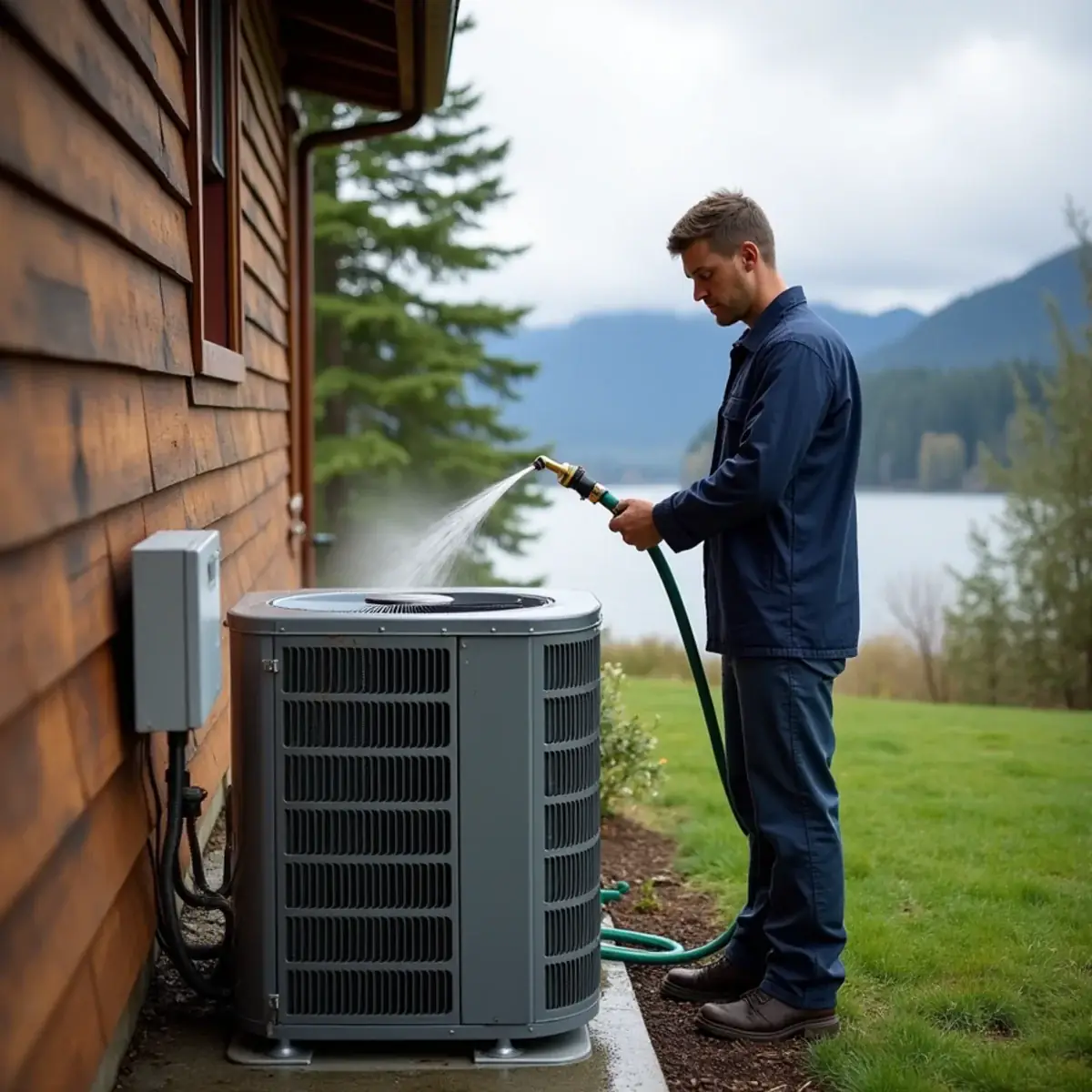
Outdoor coil rinse, flame sensor polish, burner inspection and a check of the blower wheel.
Condensate drain flush
Trap and line cleared on high-efficiency furnaces, air handlers and ductless heads, and the line traced to where it actually ends.
Airflow and refrigerant numbers
Static pressure, temperature rise or split, and refrigerant temperatures, recorded so next year’s visit has something to compare against.
Controls and backup heat
Thermostat staging, heat strip or dual-fuel changeover, and a forced defrost on heat pumps.
A dated written checklist
Every test and reading, with recommendations sorted into safety, soon and can wait.
How a maintenance visit works
Every tune-up follows a consistent routine so nothing is skipped:
- 1
Talk first
We ask about noises, smells, hot or cold rooms and bills since the last visit.
- 2
Safety checks
Combustion analysis, CO test, gas leak check and venting inspection on gas equipment.
- 3
Clean and inspect
Burners, flame sensor, coils, blower wheel, drains and filters, as the system needs.
- 4
Measure performance
Temperature rise or split, static pressure, amp draw and refrigerant temperatures are recorded.
- 5
Written report
A checklist with readings and any recommendations, ranked by urgency.
What affects the cost of a tune-up
Published tune-up pricing in the Puget Sound area generally falls around $80–$200 per system. Several factors move it:
- Number of systems
- A furnace, a heat pump and a gas fireplace are three separate inspections.
- System type
- Dual-fuel systems and multi-head mini-splits take longer than a single furnace.
- Access
- Tight crawl space and attic units add time.
- Condition
- Heavily soiled coils or blower wheels may need extra cleaning.
- Parts found worn
- Filters, igniters or capacitors are quoted separately and only replaced with your approval.
Those figures are regional planning ranges, not our prices. We’ll confirm the visit cost when you book, and any repair beyond the tune-up is quoted before we do it.
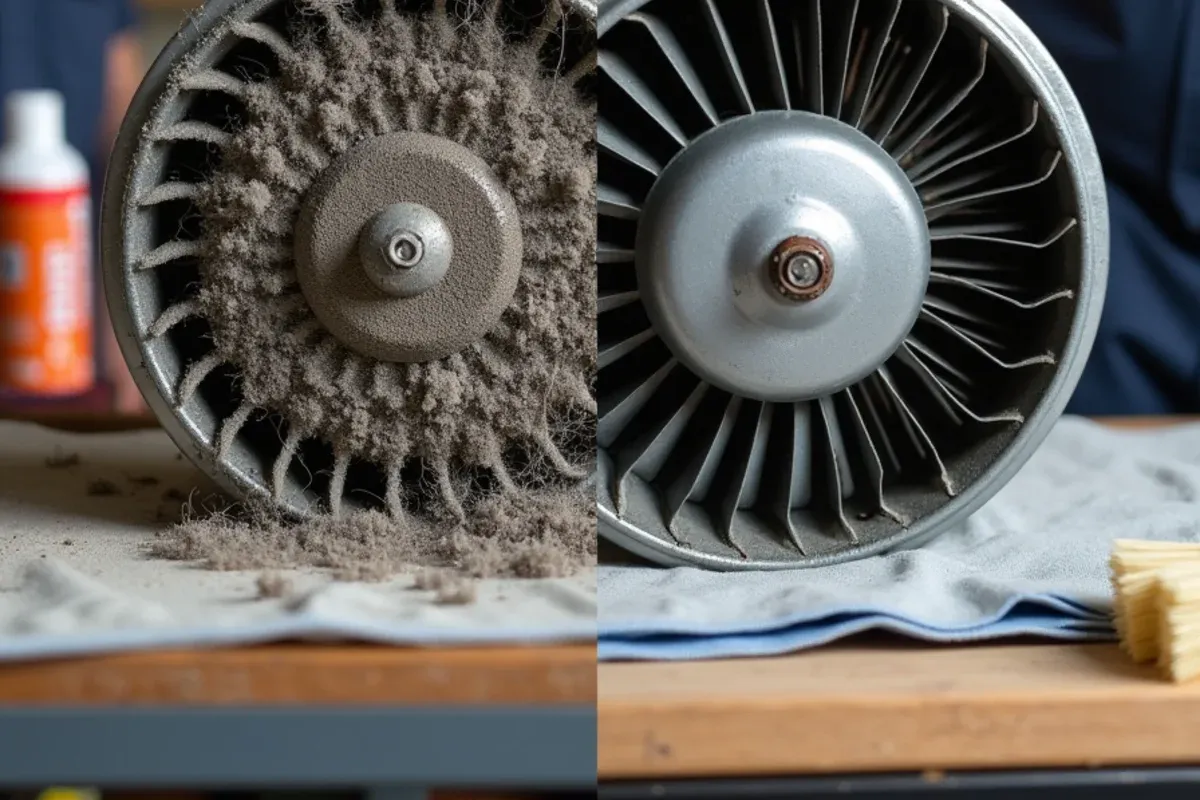
What an HVAC maintenance visit in Bremerton, WA checks, system by system
Each type of equipment wears differently, so the checklist changes by system:
Gas furnace
Igniter and flame sensor condition, burner flame pattern, inducer and pressure switch operation, heat exchanger inspection, gas pressure, temperature rise, limit switch function and condensate trap cleaning on high-efficiency units.
Heat pump and mini-split
Outdoor coil cleaning, defrost test, capacitor and contactor checks, refrigerant temperatures, heat strip amp draw and pad level. On mini-splits we clean filters and inspect the indoor coil and blower wheel, where mold grows fast in our damp air. If we find a failing part, we move to heat pump repair.
Gas fireplace
Pilot assembly, thermocouple or thermopile output, glass gasket, log placement, vent cap and a CO check. Deeper work falls under our gas fireplace service.
Salt air, moss and crawl spaces
Shoreline homes in Rocky Point and around Chico Bay in Chico see coils corrode years sooner than inland units. Rinsing coils, checking fin condition and protecting electrical connections slows that down; our article on salt air HVAC corrosion along Puget Sound explains what to watch for.
Inland, the enemy is organic debris. Our guide to heat pump maintenance in Western Washington covers moss, needles and rain. Crawl space ducts across Kitsap County often show condensation, disconnections or rodent damage, and when dust and mold have built up inside them, air duct cleaning may be the next step.
Moisture damage usually shows up at a tune-up before it becomes a repair. We look for rust streaks under the furnace or air handler, a condensate line that dumps into the crawl space instead of a drain, corroded low-voltage terminals and duct wrap that stays damp. Bremerton’s roughly 45 inches of yearly rain justifies the closer look, but rain alone doesn’t explain those clues. In Sheridan Park and Wheaton crawl spaces we trace the water to its source before anyone suggests a dehumidifier.
Pre-winter versus pre-summer tune-ups: what shifts on the checklist
The safety checks repeat every visit. The season decides where the extra time goes.
Pre-winter visit (September to early November)
Heating operation under a full call for heat, combustion and CO readings on gas equipment, and proof that heat strips or a dual-fuel furnace actually take over when the heat pump calls for backup. We also clear the condensate drain before months of daily runtime.
Pre-summer visit (April to early June)
Outdoor coil cleaning after a winter of needles, cooling-mode refrigerant temperatures, the indoor coil and drain pan, and humidity removal. The June 2021 heat dome pushed Puget Sound past 100°F, so anything weak goes to AC repair before the first hot week, not during it.
Keeping a service history that settles future repair-or-replace calls
A tune-up report only helps if someone can find it later. When a compressor or heat exchanger fails at year fourteen, the first questions are whether the system was maintained and how its readings changed. Keep a folder or phone album with:
Families rotating through Naval Base Kitsap can pass that record on; our HVAC tips for military families cover what else to track.
- Model and serial numbers for every indoor and outdoor unit, plus the install date
- Each visit’s date, readings and recommendations, including the ones you chose to defer
- Filter size and how often you actually change it
- Error codes or odd behavior between visits, with the date you noticed them
Why homeowners choose us for HVAC maintenance
A maintenance visit is where trust gets built or lost. These are the habits that shape how we run one:
A tune-up is not a sales call
We diagnose before we recommend anything. If a part is weak, you see the reading that shows it, and the replacement waits for your yes.
Numbers you can keep
Readings and dated photos go into your record, so a future furnace repair or replacement conversation starts from facts, not guesses.
Refrigerant handled by the rules
Our techs work under EPA Section 608 practices. A low charge gets a leak search conversation, not a quiet top-off.
Gas and HVAC in the same visit
Because we work on gas appliances as well as heating and cooling, the furnace, gas fireplace and water heater can be checked on one trip instead of three.
Checklists written for this climate
Rain, salt air and fir needles set the priorities, so condensate, corrosion and coil condition get real time on every visit.
FAQ
HVAC Maintenance questions from Bremerton homeowners
How often should I schedule HVAC maintenance?
Once a year for a furnace, ideally in early fall. Heat pumps and mini-splits run year-round here, so twice a year, spring and fall, is ideal, though an annual visit still catches most problems. Gas fireplaces should be checked each fall before the rainy season starts and you begin using them regularly.
Is a tune-up really worth it on a newer system?
Yes. Newer equipment can still suffer from clogged condensate traps, dirty flame sensors and debris-packed outdoor coils, all common in Kitsap’s wet climate. Many manufacturers also expect documented annual maintenance to keep parts coverage valid. A tune-up on a young system is quick and usually finds nothing, which is the point.
Do you top off refrigerant during a tune-up?
Not routinely. A sealed system shouldn’t lose refrigerant, so a low charge means there’s a leak. We measure pressures and temperatures, and if the charge is low, we explain the leak search options rather than just adding refrigerant that will escape again. That approach saves money over time.
What should I do between visits?
Change or clean filters regularly, typically every one to three months. Keep outdoor units clear of leaves, moss and branches, with at least two feet of clearance. Check that condensate drains flow freely. Test CO detectors monthly. Call us if you notice new noises, smells or cycling behavior.
Should I use a higher-rated filter during wildfire smoke season?
Not automatically. A denser filter traps more smoke particles, but many residential blowers and undersized return ducts can’t pull enough air through one, which can overheat a furnace or freeze a heat pump or AC coil. Ask for a static pressure reading at your pre-summer visit. That number tells us whether your system can handle a higher-rated filter, needs a deeper filter cabinet, or is better served by portable air cleaners in the bedrooms during smoke events.
How long does an HVAC tune-up take?
Plan on roughly an hour to an hour and a half for a single furnace or heat pump in reasonable condition. A dual-fuel system, several ductless heads or a gas fireplace on the same visit adds time, and so does a tight crawl space or attic. Heavily soiled coils or blower wheels take longer to clean. We’ll give you a realistic window when you book.
Will regular maintenance actually lower my heating bill?
It can, but we won’t promise a percentage. A dirty coil, a clogged filter or a heat pump leaning on its heat strips all push usage up, and a tune-up fixes those. If your system is already clean and correctly charged, the savings are small. The bigger payoff is catching a failing igniter or capacitor before it leaves you without heat in January.
Seasonal HVAC maintenance across Kitsap and nearby shorelines
Where you live changes what a tune-up needs to catch. Waterfront homes in Seabeck and Manchester take salt spray off Hood Canal and Puget Sound, so coil and terminal corrosion gets extra attention. Heat pumps in newer Silverdale subdivisions run nearly year-round, which makes the twice-a-year schedule worth it.
South across Sinclair Inlet, many Port Orchard homes heat with gas furnaces on Cascade Natural Gas, so fall combustion and CO testing comes first. Under the heavy tree cover around Poulsbo, needles pack outdoor coils fast.
We provide hvac maintenance & tune-ups across Bremerton and nearby communities, including:
- HVAC Maintenance in Kitsap County
- HVAC Maintenance in Port Orchard
- HVAC Maintenance in Silverdale
- HVAC Maintenance in Chico
- HVAC Maintenance in Erlands Point-Kitsap Lake
- HVAC Maintenance in Navy Yard City
- HVAC Maintenance in Rocky Point
- HVAC Maintenance in Tracyton
- HVAC Maintenance in Enetai
- HVAC Maintenance in East Port Orchard