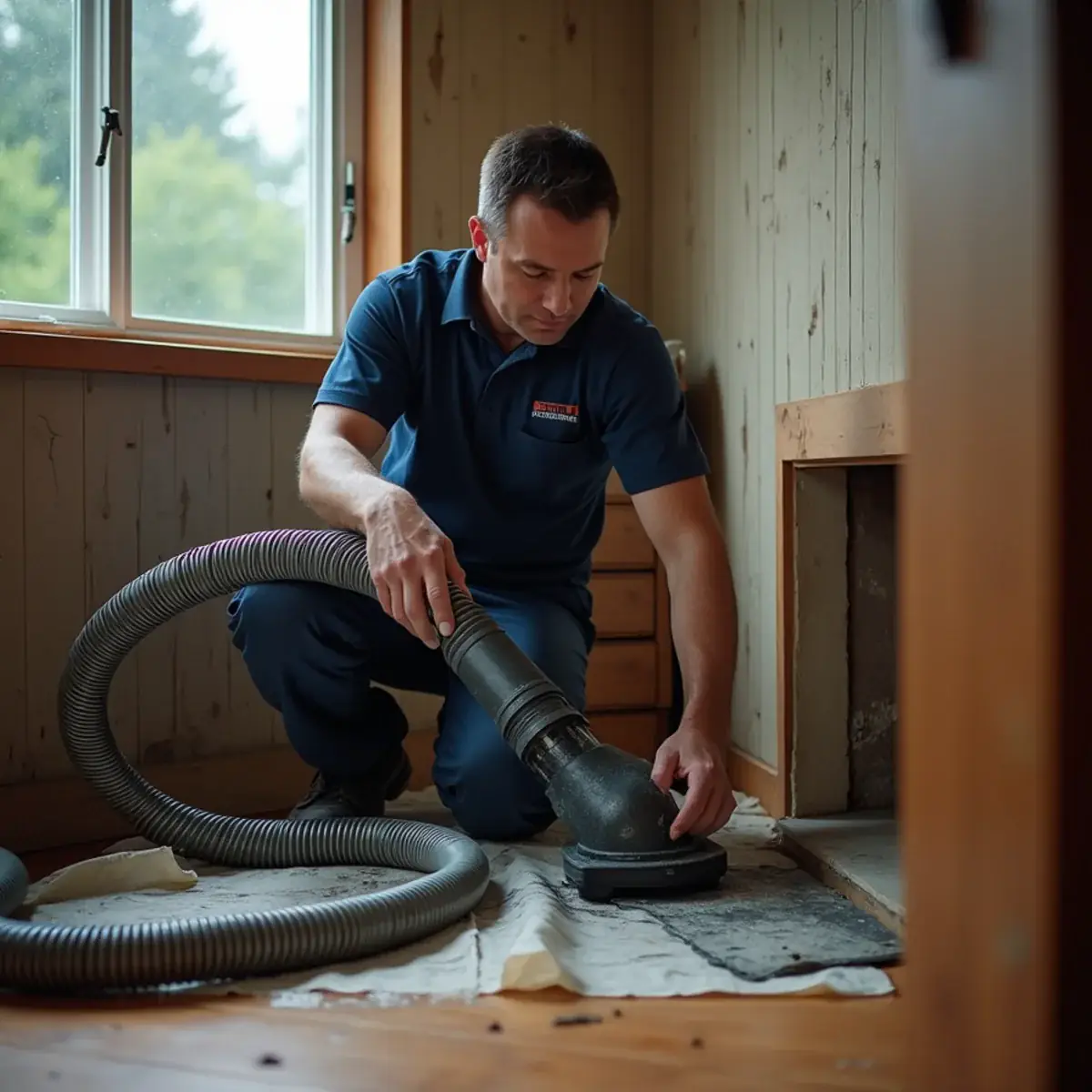
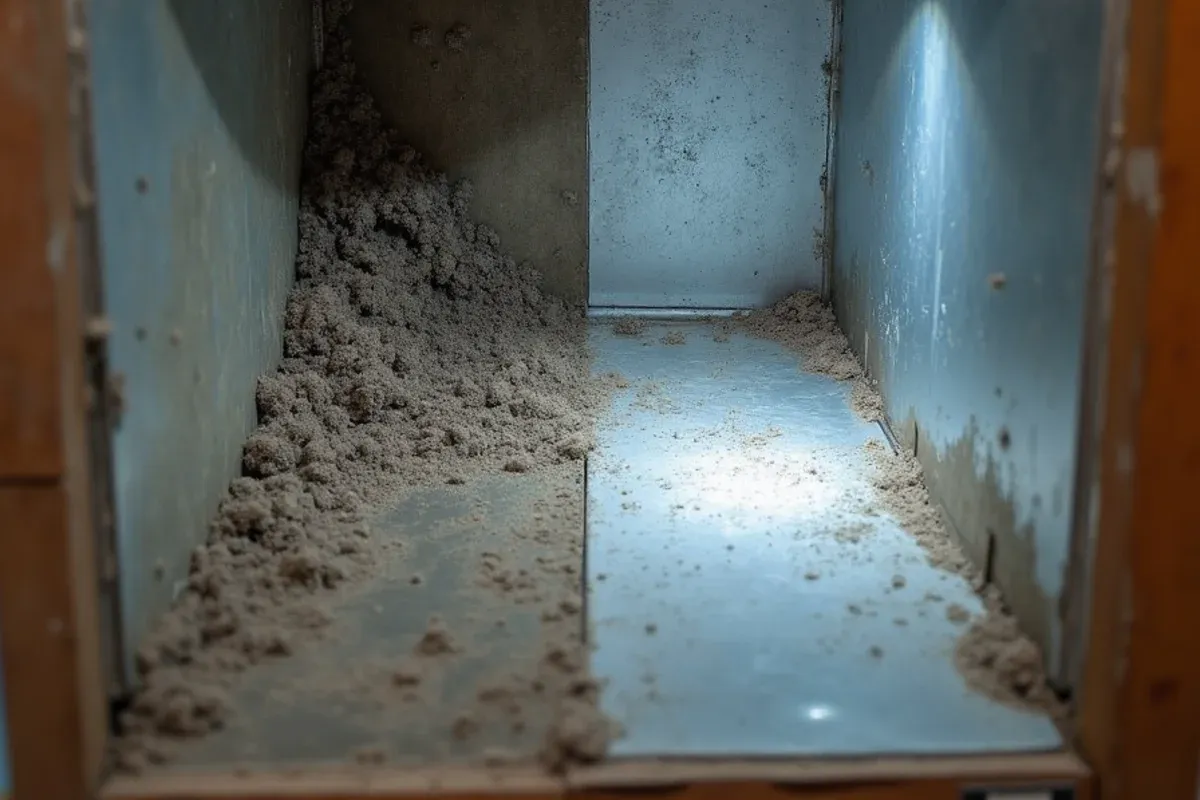
Duct cleaning in Bremerton, WA is worth doing in specific situations and a waste of money in others. When it’s warranted, we do it properly, using NADCA-style source removal: the system goes under negative pressure with a high-powered vacuum while brushes and air whips dislodge debris from every run, every register and the air handler itself.
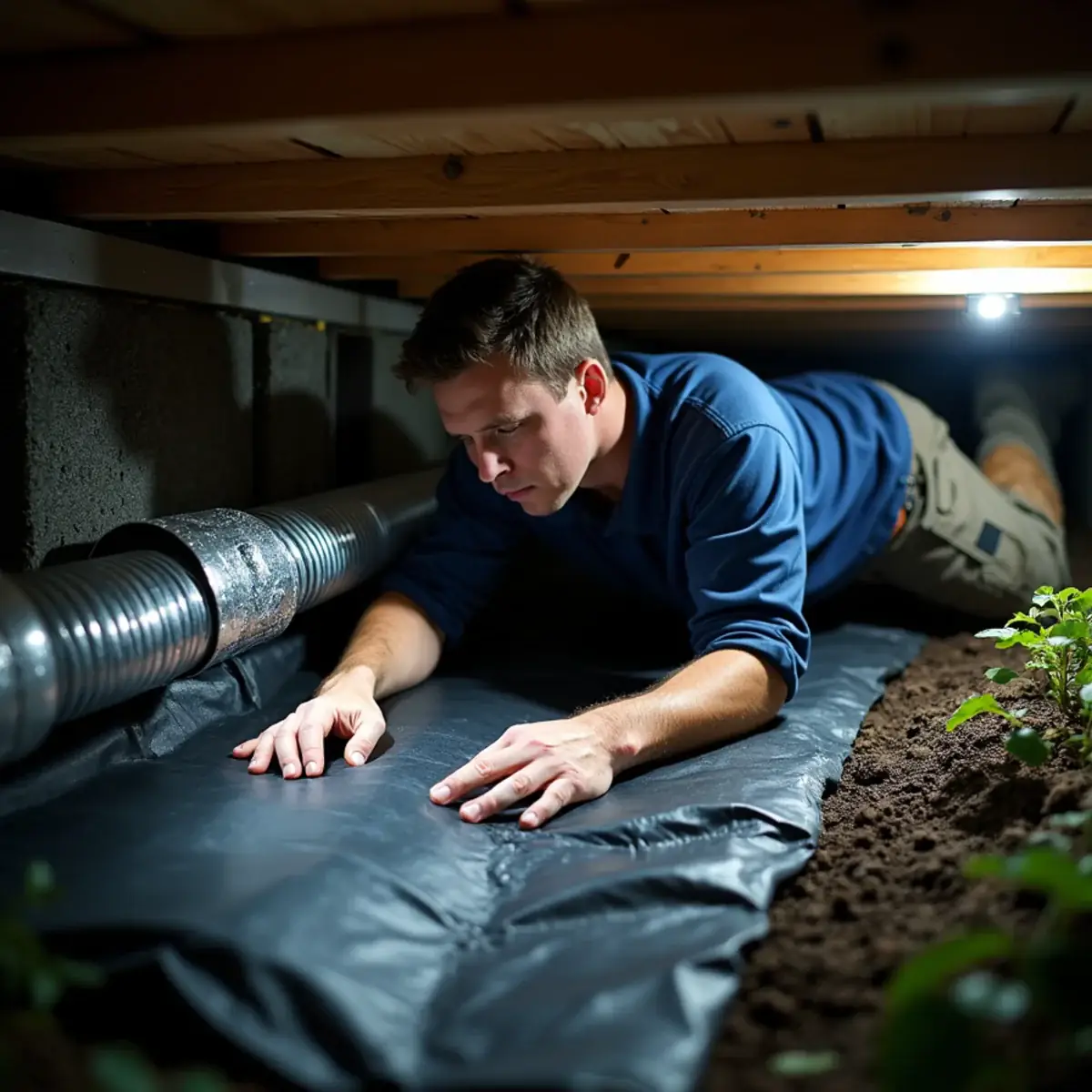
In this climate the real issue is often moisture, not dust. Ducts running through a damp crawl space can pick up musty odors, condensation and sometimes mold growth, especially where insulation has fallen away or a joint has separated. Cleaning helps, but only if the moisture source gets fixed too.
We’d rather talk you out of an unnecessary cleaning than sell one. If your ducts don’t need it, you’ll hear that from us.
Reviewed · regional price ranges and rebate details are rechecked at each update.
When Duct Cleaning Actually Makes Sense
These are the situations where cleaning delivers a real, measurable improvement.
Visible mold on duct surfaces or the coil
Confirmed growth inside supply ducts or on the blower should be cleaned once the moisture cause is corrected. Our post on damp crawlspaces, mold and your ducts explains the connection.
Rodent or pest activity
Droppings, nesting material or carcasses in ducts are a health concern. Crawl space ducts in older homes are common entry points.
Debris puffing out of registers
When you can see pet hair or dust blowing out, cleaning helps. Gray dust on the register face alone usually doesn’t mean the ducts are dirty.
Moving into a home with an unknown history
Rentals and newly purchased homes, including many near the bases, sometimes carry years of neglect. Our HVAC tips for military families near Naval Base Kitsap cover what to check first.
Musty smell when the system runs
Often points to a damp crawl space duct, a wet coil or a clogged drain pan. We find the source before recommending cleaning.
What’s included in a whole-house duct cleaning
A per-vent coupon rarely says what you’re getting. Our duct cleaning visits cover each of these, and the written quote lists them.
Inspection before the quote is final
Supply trunk, returns, blower and coil looked at first, so the price reflects the real condition.
Floor and furniture protection
Drop cloths at every register and the air handler, with shoe covers on the crew.
Every branch, supply and return
Each run agitated under suction, including the return side that most quick cleans skip.
Blower wheel and coil surfaces
The fan wheel and accessible coil face cleaned so fresh dirt isn’t blown back into clean ducts.
Registers washed, access ports sealed
Grilles removed and washed, and every hole we cut closed with a proper metal patch and sealant.
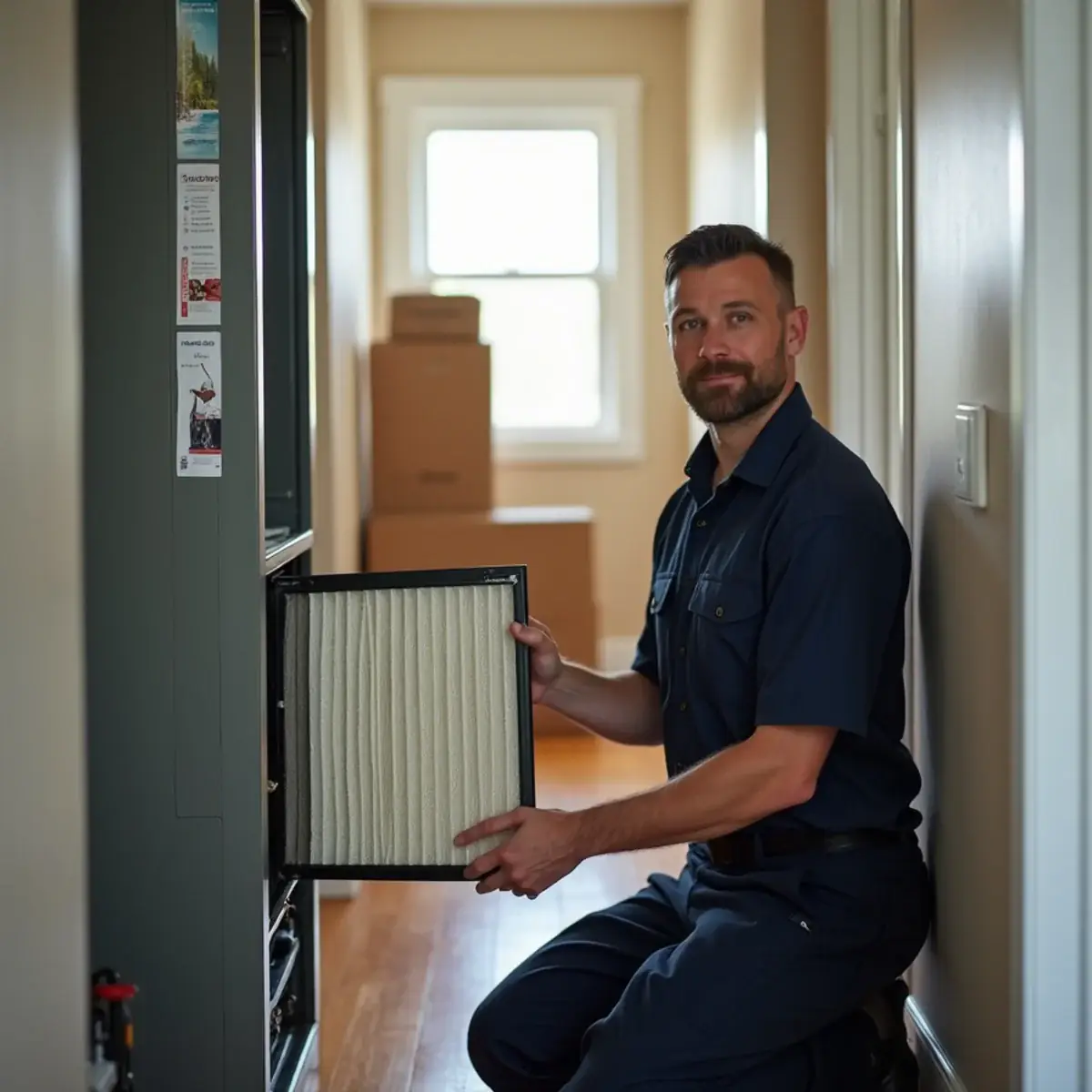
Fresh filter
A new filter sized to your blower, with a note on the rating it can handle without starving airflow.
Findings in writing
Before and after photos plus a list of disconnected, crushed or uninsulated runs, each priced separately if repair is needed.
Our Source-Removal Cleaning Process
A proper cleaning takes most of a day for a typical house. If someone quotes an hour, ask what they’re skipping.
- 1
Inspect first
We look inside supply and return runs, the blower and the coil, and check crawl space ducts for disconnections, torn flex duct and fallen insulation.
- 2
Set up negative pressure
A high-capacity vacuum connects to the trunk line and pulls the whole system under suction, so loosened debris moves toward the collector instead of into your living room.
- 3
Agitate every branch
Rotary brushes, air whips and skipper balls work through each run while the vacuum captures what comes loose.
- 4
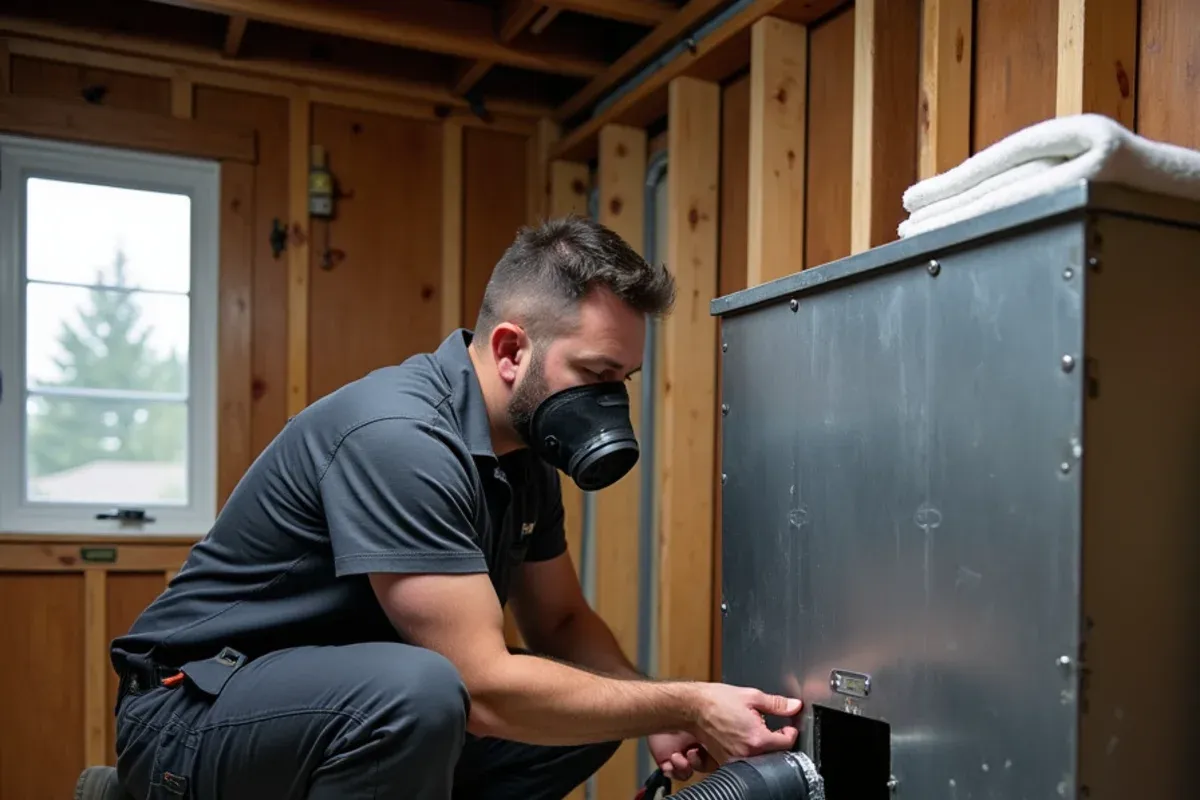
Clean the air handler
Blower wheel, housing and accessible coil surfaces get cleaned. Clean ducts attached to a filthy blower is a half-finished job.
- 5
Treat only when warranted
EPA-registered antimicrobial products go on only where there’s a documented microbial problem, applied per the label. We don’t fog sanitizer as a default add-on.
- 6
Repair and seal
We reconnect loose runs, seal joints with mastic and quote repairs for any damaged duct found along the way.
Ask for the job to be documented. You should get before-and-after photos of the main trunk, several branches and the blower wheel, plus a written note of any runs we couldn’t reach, any disconnected or crushed duct we found and any product we applied. That record makes the cleaning verifiable and gives the next technician a starting point.
What Affects Duct Cleaning Cost
Price depends on the size and condition of the system, not a flat per-vent coupon rate.
- Number of runs
- More supply and return branches mean more time with agitation tools.
- Duct type and access
- Rigid metal cleans well. Flex duct and duct board are more delicate, and crawl space ducts in tight spaces take longer.
- Contamination level
- Construction debris, rodent contamination or mold add time, containment and disposal.
- Air handler condition
- A heavily soiled blower wheel or coil may need to come out for proper cleaning.
- Repairs found during cleaning
- Disconnected or crushed duct, missing insulation and air leaks are quoted on their own.
Be wary of rock-bottom advertised prices, which often lead to upsells. The final price requires a site visit.
When Duct Cleaning Is NOT Worth It
The EPA’s guidance is that duct cleaning hasn’t been shown to prevent health problems, and that ordinary dust inside ducts generally isn’t a concern on its own. We agree. If your system is sealed, the filter gets changed on schedule and nobody in the house has symptoms, cleaning is usually unnecessary.
Cleaning also won’t fix:
- Household dust caused by leaky return ducts pulling crawl space air. That needs duct sealing.
- Musty smells from a wet crawl space. That needs vapor barrier, drainage or ventilation work.
- Allergy symptoms tied to a cheap filter. A properly fitted MERV 11–13 filter often does more.
- Rooms that run hot or cold. That’s a duct design or airflow issue.
Crawl Space Ducts in Kitsap’s Older Homes
Many Bremerton homes built from the 1940s through the 1970s, including houses around Chico and Erlands Point and Kitsap Lake, have supply ducts running through a vented crawl space. With about 45 inches of rain a year, those spaces stay humid, and a disconnected or uninsulated duct can collect condensation and debris.
In these homes the crawl space inspection often matters more than the cleaning. We look for separated joints, crushed flex duct, rodent damage and wet insulation, then recommend the fix that addresses the cause.
If the ductwork is failing badly, replacing it as part of an HVAC system replacement can beat cleaning and patching. For ducts in good shape, adding a quick inspection to your regular HVAC maintenance visit keeps small problems small. And if cleaning uncovers a cracked heat exchanger or a failing blower motor, our furnace repair techs can take it from there.
A crawl-space moisture check before you book duct cleaning
Musty ducts in Kitsap usually trace back to the space under the floor. Before paying for cleaning, take a look from the crawl-space hatch with a flashlight, without crawling in if the space is tight or wet. Photos of what you see help us plan the visit.
- Standing water or muddy soil after rain, especially along the foundation walls
- A torn, missing or bunched-up plastic vapor barrier over the soil
- Downspouts emptying against the foundation instead of away from it
- A bathroom fan or dryer duct that ends in the crawl space instead of outdoors
- Insulation sagging off duct runs, or bare metal duct beading with water
Insulate, Dry Out, Then Clean
Sweating supply ducts need insulation with an intact vapor jacket, not a brush. On homes with central air or a heat pump, that sweat drips onto the soil all summer and feeds the damp, so a clogged condensate line or a coil problem may also need AC repair before the space dries.
Dehumidifiers and extra ventilation come after the source is found. A crawl-space dehumidifier running against a dryer vent dumping under the floor can’t keep up. In older homes around Manette, Illahee and Tracyton, we fix drainage and vapor barrier first, then decide whether mechanical drying is needed, and clean the ducts last so they stay clean through the next rainy season.
Why call an HVAC contractor for duct cleaning
Cleaning crews clean. We also diagnose the system the ducts belong to, which changes what gets recommended.
We’ll say when you don’t need it
If the ducts are sound and nobody has symptoms, we tell you that before you pay for cleaning.
Cause found before surfaces are cleaned
A musty return usually traces to a crawl-space leak, a wet coil or a blocked drain. We fix or quote that first so the ducts stay clean.
Repairs done by the same crew
Separated joints get reconnected and sealed with mastic by HVAC techs, not left as a note for someone else.
Line-item pricing, no coupon upsell
Runs, air handler cleaning and repairs are priced separately in writing, so the final bill matches the quote you approved.
FAQ
Duct Cleaning questions from Bremerton homeowners
How often should ducts be cleaned in Bremerton?
There’s no fixed schedule, and most homes don’t need routine duct cleaning at all. Clean when there’s a specific reason: visible mold after a moisture problem is fixed, renovation debris, pest contamination or heavy buildup you can see blowing from registers. Good filtration, sealed ducts and a dry crawl space do more for air quality than cleaning on a calendar.
Will duct cleaning get rid of mold?
Cleaning removes mold growth from duct surfaces, but it won’t stop it from returning unless the moisture source is corrected. In Kitsap homes that’s usually a damp crawl space, a disconnected duct pulling in humid air or a clogged condensate drain. Flex duct and duct board with significant growth are often better replaced than cleaned.
How long does a duct cleaning take?
A thorough source-removal cleaning of a typical single-family home usually takes most of a day, depending on the number of runs, access and how dirty the system is. Larger homes or heavy contamination take longer. A crew that finishes a whole house in an hour or two likely isn’t reaching the full length of each duct.
Do you use chemicals or sanitizers in the ducts?
Only when there’s a documented reason, such as confirmed microbial growth after cleaning. When we do, we use EPA-registered products applied according to the label, and we tell you what we’re using beforehand. We don’t fog sanitizers or fragrances as a routine add-on, because they don’t replace proper cleaning or fixing the moisture source.
Will a dehumidifier fix musty-smelling ducts?
Sometimes, but only after the moisture source is known. If the smell comes from a disconnected duct pulling crawl-space air, a clogged condensate drain or a bath fan venting under the house, a dehumidifier treats the symptom while the cause keeps going. We find the source first. When the crawl space stays damp after drainage and vapor barrier fixes, a dehumidifier or added ventilation can be the right next step.
Is dryer vent cleaning part of air duct cleaning?
No. The dryer vent is a separate duct that carries lint and moist air from the dryer to the outdoors, and it has nothing to do with your heating ducts. It is a fire-safety item, so it deserves its own line on any quote. In older Kitsap homes we also find dryer vents ending in the crawl space, which adds lint and humidity under the floor and should be rerouted outside.
Where duct cleaning pays off around Kitsap
Homes change hands often near the bases. Renters and new owners in Bangor and Keyport housing inherit ducts with no service record, and that unknown history is a fair reason to inspect.
Older houses in Navy Yard City and Rocky Point tend to have crawl-space ducts with loose joints, where rodents and damp air get in. There, cleaning goes hand in hand with repair, and sometimes a ductless mini-split makes more sense than rebuilding a failing duct system.
We provide air duct cleaning across Bremerton and nearby communities, including: